Chemotherapy is the use of drugs to treat cancer and other diseases. These drugs kill cancer cells, but they may also harm normal cells, including cells in the mouth. Side effects include problems with your teeth and gums; the soft, moist lining of your mouth; and the glands that make saliva, as well as an increased likelihood of cold sores and other mouth infections.
The problems depend on the chemotherapy drugs and how your body reacts to them. You may have these problems only during treatment or for a short time after treatment ends.
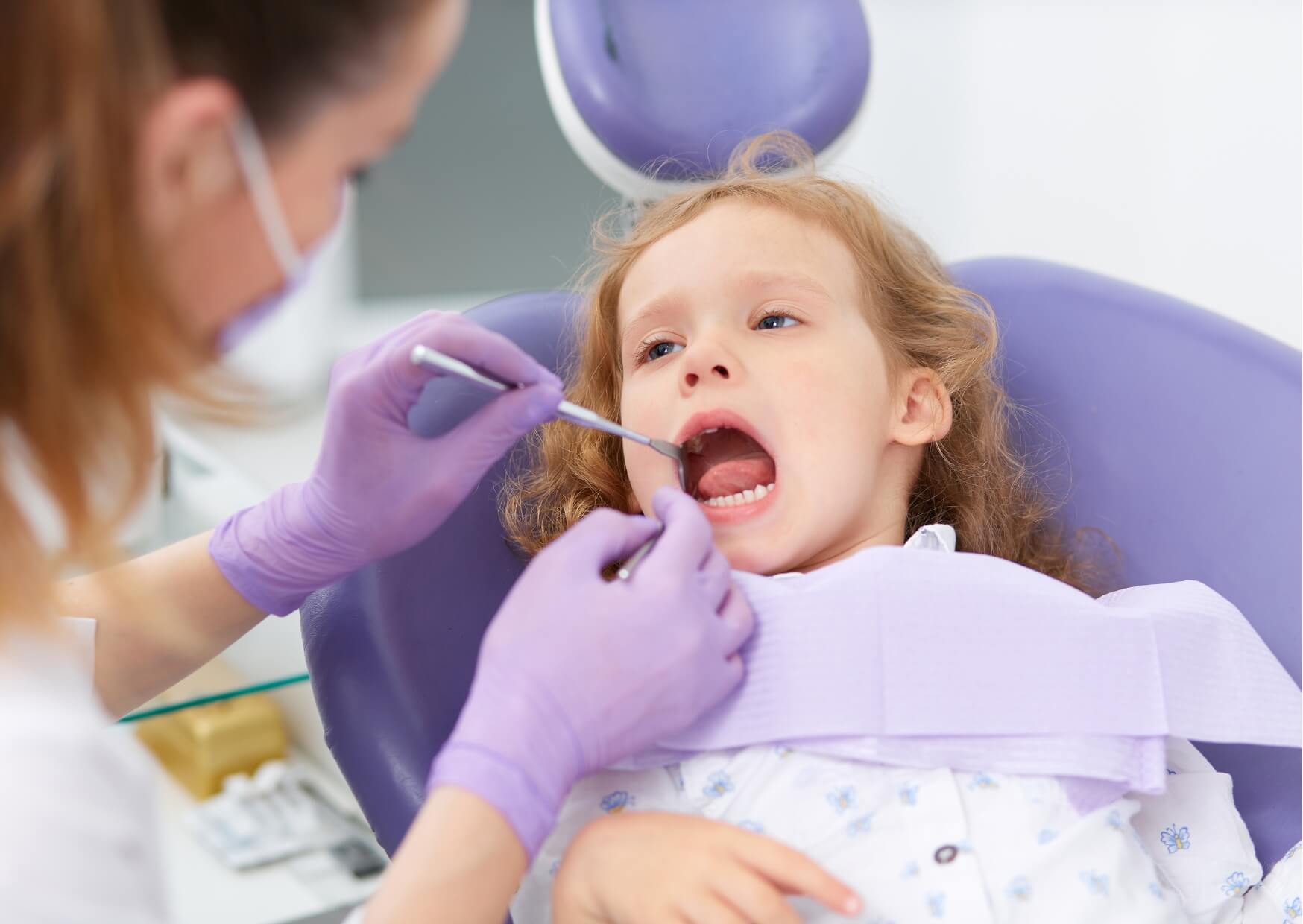
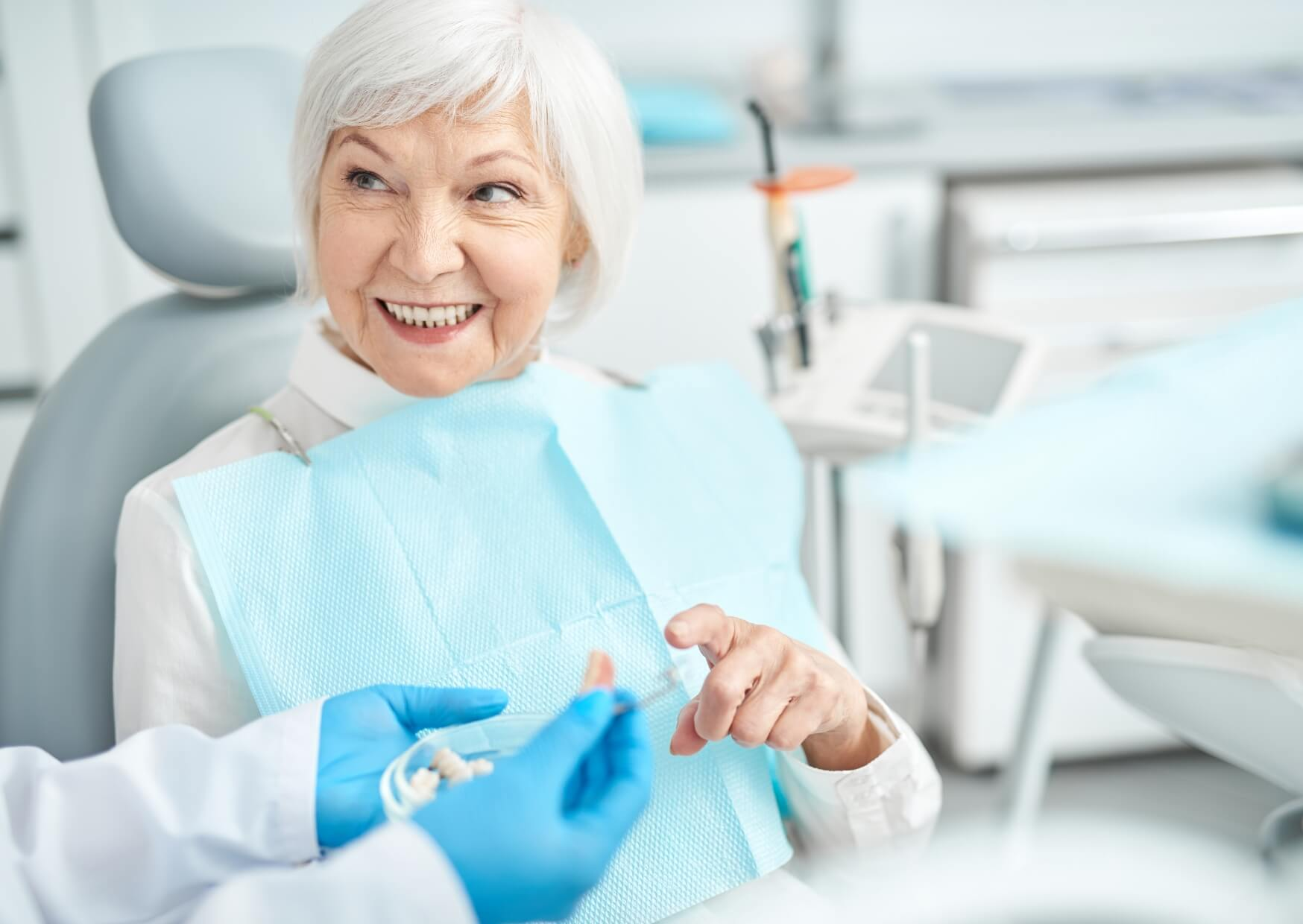
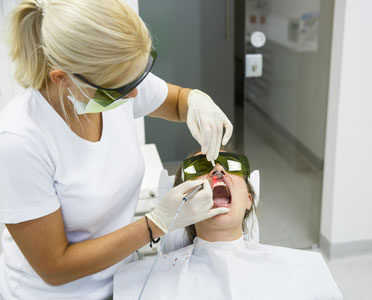
If you go to the dentist before chemotherapy begins, you can help prevent serious mouth problems. Side effects often happen because a person’s mouth is not healthy before chemotherapy starts. Not all mouth problems can be avoided but the fewer side effects you have, the more likely you will stay on your cancer treatment schedule. It’s important for your dentist and oncologist to talk to each other about your cancer treatment. Be sure to give your dentist your oncologist’s phone number.

You need to see the dentist at least two weeks before your chemotherapy begins. If you have already started chemotherapy and didn’t go to a dentist, see one as soon as possible. You should also see a dentist as recommended or needed during and after treatment.

See a dentist before you start cancer treatment. Ask about whether you may need artificial saliva, fluoride, and/or other rinses. Once your treatment starts, look in your mouth every day for sores or other changes. These tips can help prevent and treat a sore mouth.

LEARN MORE about your oral care during cancer treatments.
Resource: Delta Dental
How Does Coffee Stain Teeth?
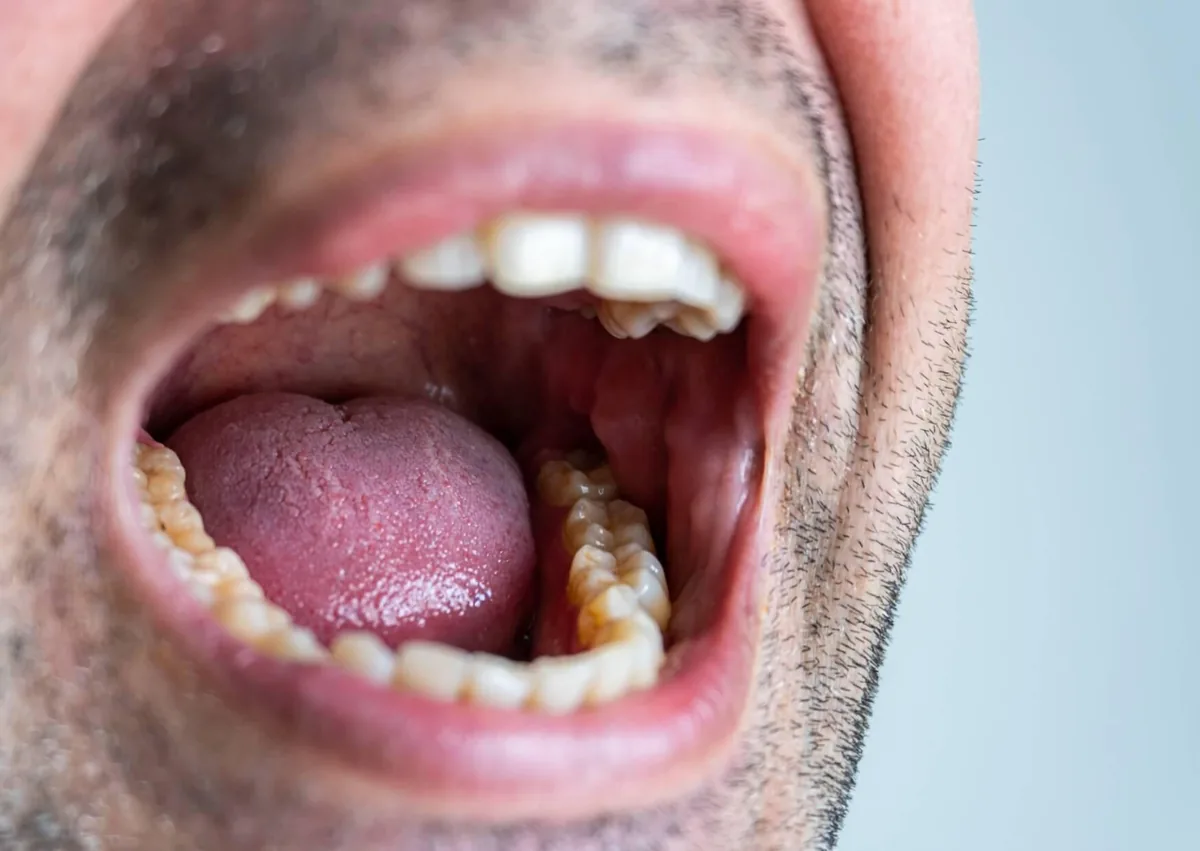
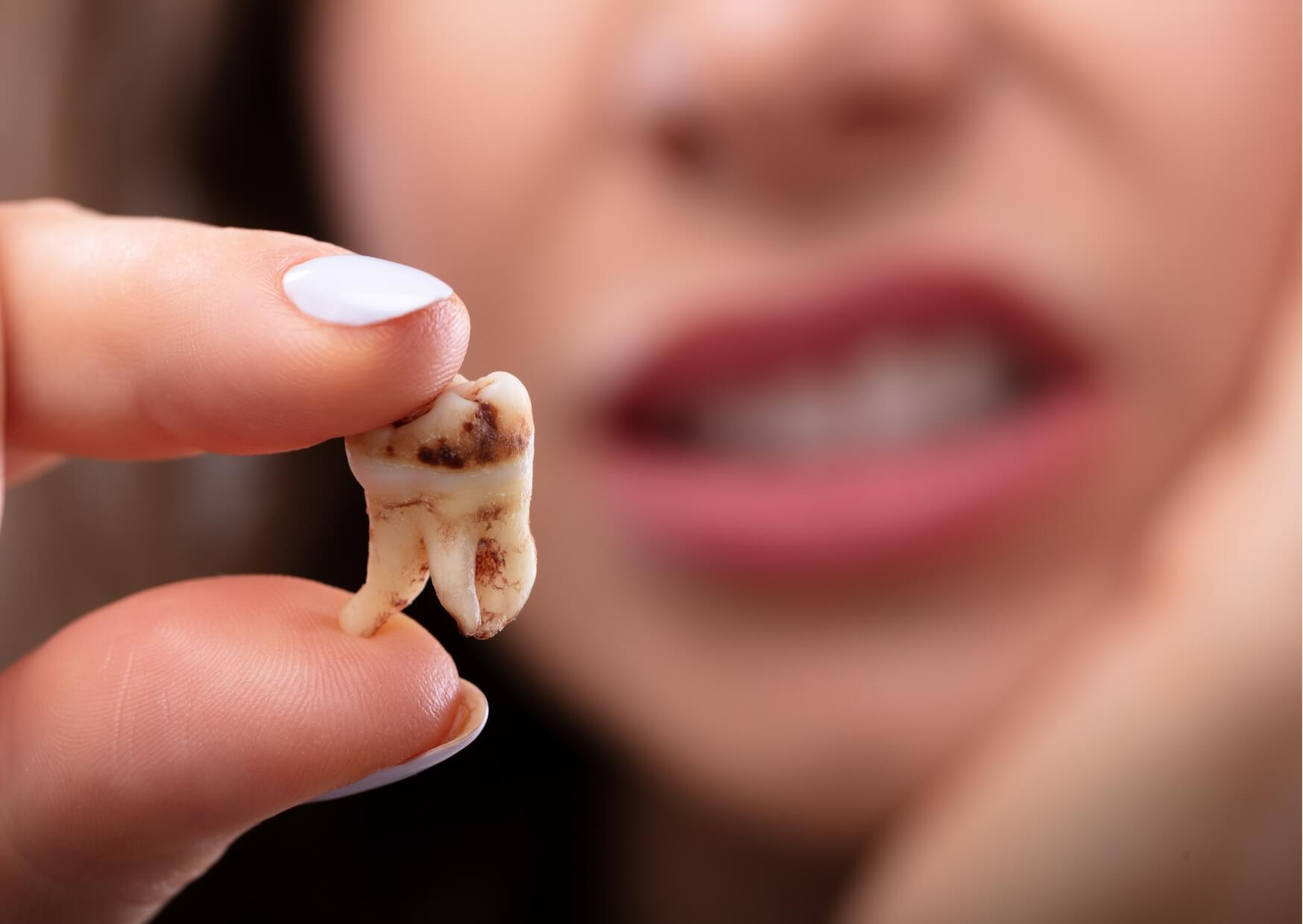
Although the enamel of your teeth is the hardest substance in the human body, it is not flat and smooth. On the contrary, your tooth enamel contains microscopic pits and ridges that can hold particles of food and drink.
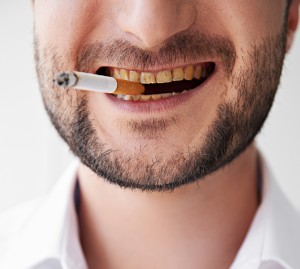
Pigments from dark-colored drinks such as coffee, tea, and soda can become embedded in those cracks and ridges and, if the proper steps are not taken, can cause permanent, yellowing stains on your teeth.
Does Coffee Stain Teeth Less If You Add Cream?
While it may seem that lighter-colored coffee would stain less, the same pigments and acids are present in coffee with cream as black coffee; thus, adding any sort of whitener to your coffee will not prevent your teeth from becoming stained, unless you put significantly less coffee in your cup to make room for the cream.
How Can One Prevent "Coffee Smile"?
Giving up coffee, tea, or other tooth-staining beverages is the best way to prevent the staining caused by those drinks, but for most people, this is not an acceptable solution.
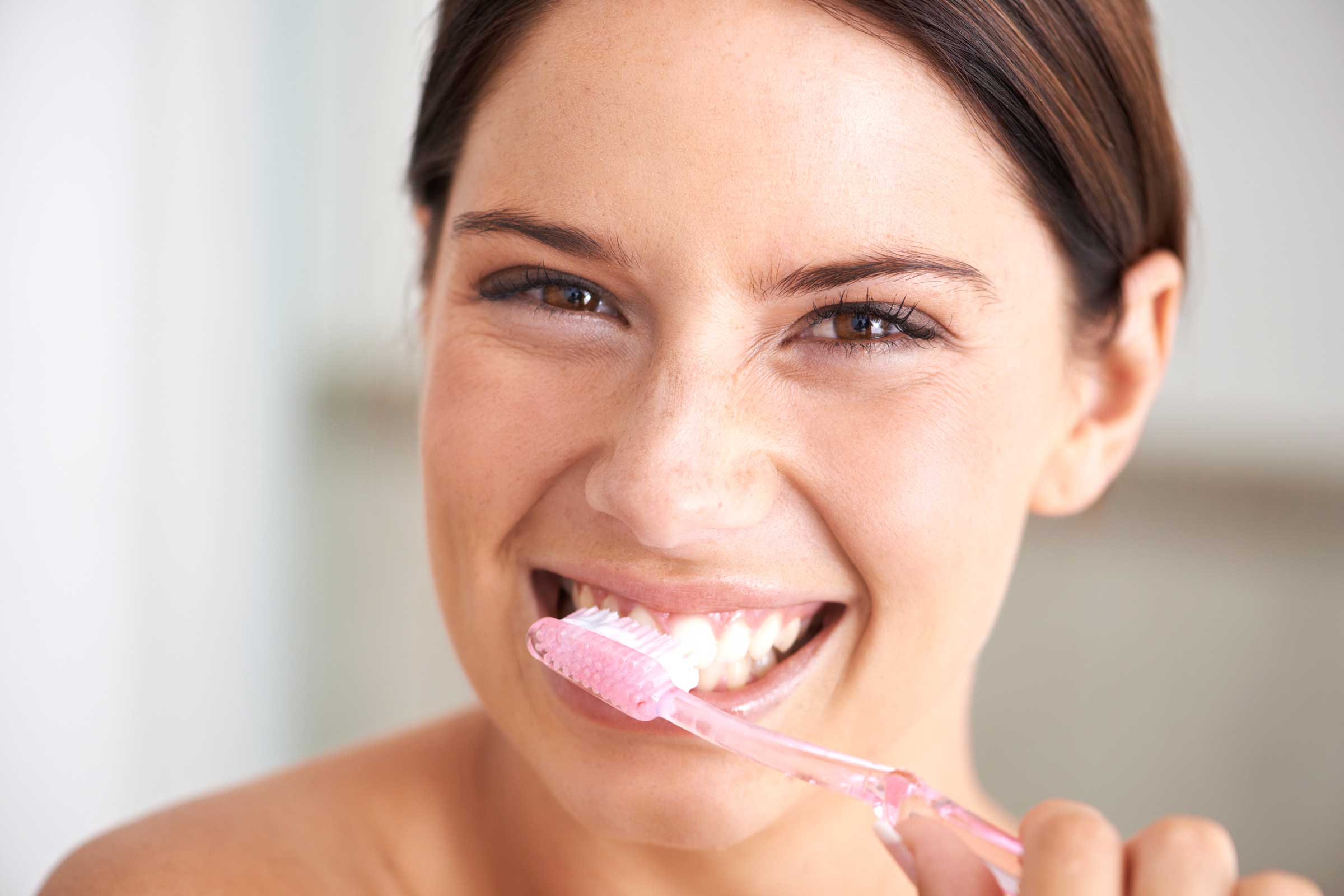
Rather than abstaining, try to consume your coffee at specific break times, rather than sipping constantly throughout the day. After finishing your coffee, you can then rinse your mouth out with water or brush your teeth to remove the potentially yellowing pigments from your teeth.
Using a whitening toothpaste and brushing regularly is a good way to maintain whiter teeth at home. In addition, visiting your dentist's office for regular cleanings can remove many of the surface stains on your teeth, giving you a whiter smile, no matter how many cups of coffee you need to make it through the day.
resource: Colgate