Teeth bonding usually costs about $300 to $600 per tooth in the United States. The total fee can be higher or lower depending on the size of the repair, the number of teeth treated, and whether the procedure is cosmetic or needed to restore damage, which is why the overall cost of tooth bonding varies from case to case.
If you are comparing the price of a small cosmetic repair with how long it may last, cosmetic bonding can be a conservative way to improve chips, gaps, or discoloration. Downtown Dental Nashville in Nashville, TN, can help you understand whether this approach fits your goals and how it compares with other treatments.
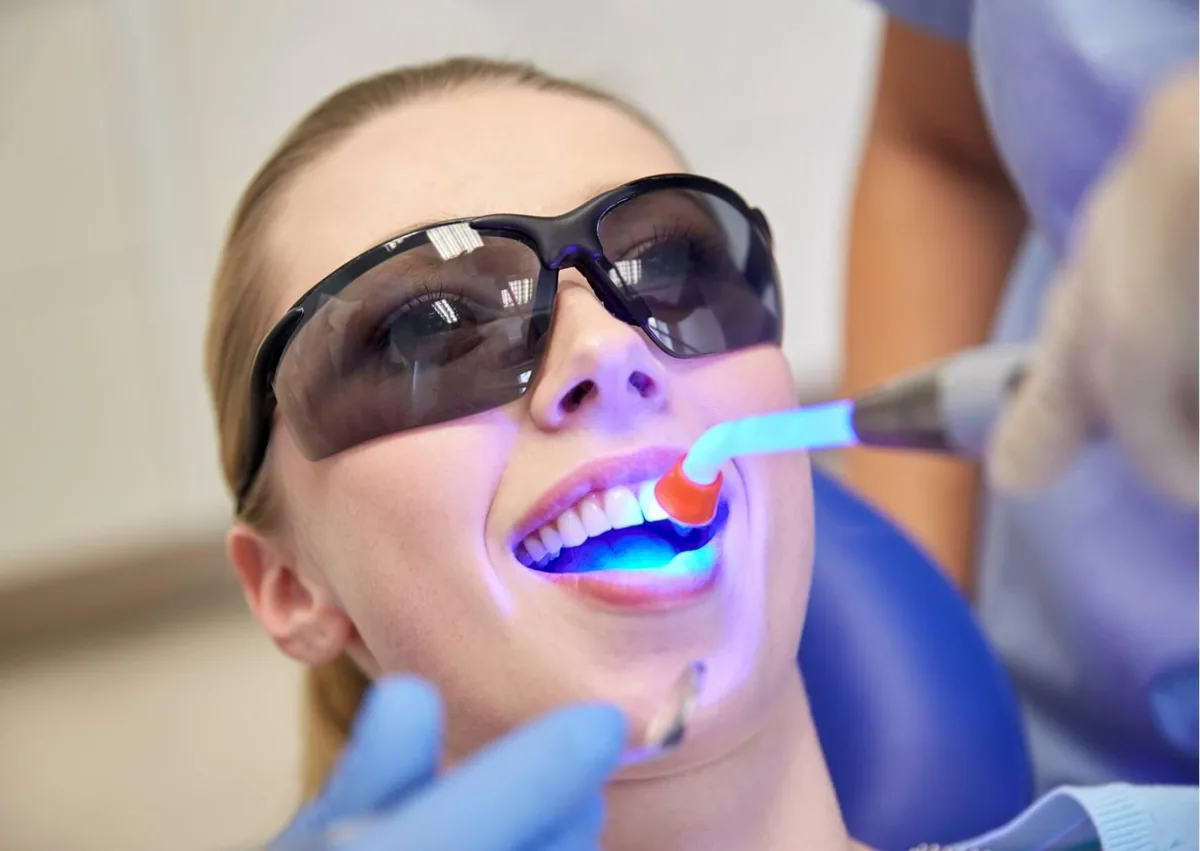
Dental bonding uses a tooth-colored composite resin that is shaped directly on the tooth and hardened with a curing light. The material bonds to conditioned enamel so a dentist can rebuild a small area or change the visible contour of a tooth.
Bonding can improve both appearance and function when the defect is minor. It is generally less durable and more stain-prone than porcelain, so the condition of the tooth and the forces placed on it matter just as much as the initial price.
The size and complexity of the repair are usually the biggest cost factors. Fixing one small chip often costs less than rebuilding a larger edge, closing a gap, or bonding several teeth for a more balanced smile.
Other factors can include:
A quote should make clear what is included. Ask whether the fee covers the exam, imaging, the bonding procedure, finishing, and any follow-up adjustments.
When bonding is done only to change color, shape, spacing, or symmetry, it is usually considered cosmetic. In those cases, dental insurance often does not contribute to the cost.
Insurance may help when bonding is needed to repair tooth decay, a fracture, or another problem affecting oral health or function. Coverage depends on the plan's exclusions, deductible, annual maximum, waiting periods, and frequency limits, so a predetermination of benefits can be useful.
For appearance-focused cases, cosmetic bonding may be a conservative option, while veneers may offer better stain resistance in selected situations. If you are comparing options, see bonding vs. veneers.
Teeth do not work alone. Their shape affects how the upper and lower teeth meet, while the jaw muscles and joints help distribute chewing forces across the bite.
If someone clenches or grinds, bonded edges can chip, roughen, or fail sooner. Patients may notice morning jaw fatigue, headaches, tooth wear, cheek biting, or sensitivity, and a sleep partner may hear grinding.
Snoring, mouth breathing, and disrupted sleep can sometimes occur alongside bruxism. Bonding does not treat an airway or sleep disorder, so persistent loud snoring, gasping during sleep, or major daytime sleepiness should be medically evaluated rather than covered over with cosmetic treatment alone.
When the underlying issue is occlusion, a dentist may recommend bite alignment treatment before placing or replacing bonded edges. In some cases, that may include neuromuscular orthodontics to reduce excessive forces on the teeth.
A dentist checks the enamel, existing fillings, decay, cracks, gum health, and how much healthy tooth structure remains. The exam also looks at tooth color, spacing, alignment, and whether the planned shape will affect speech or chewing.
The bite should be checked in more than one jaw position. A tooth can look fine cosmetically but still take too much force during normal function.
A dentist may also assess muscle tenderness, jaw-joint symptoms, wear patterns, and habits such as nail biting or chewing ice. X-rays may be recommended if decay, trauma, an old restoration, or deeper structural damage is suspected.
Photos, scans, or impressions can help when several teeth are being treated. Specialized airway imaging is not usually needed for simple bonding.
Some habits or oral health issues should be addressed before or after bonding. Active gum disease, decay, acid erosion, and repeated biting on hard objects can all shorten the life of the repair.
A custom nightguard may help protect bonded teeth in some people who grind or clench, although it does not cure bruxism or sleep apnea. Significant jaw pain, limited opening, or suspected sleep-disordered breathing may call for evaluation by a dentist with relevant training, a physician, or another specialist.
Treatment choice depends on how much tooth structure is missing and how much force the area must handle. Bonding is conservative and repairable, while dental crowns may be more appropriate for teeth with major structural loss.
Orthodontic treatment may be a better option when gaps, crowding, or bite problems are too large to correct safely by adding resin. A good plan should preserve cleanable contours and avoid making teeth bulky just to mask alignment issues.

During cosmetic bonding, the dentist selects a resin shade, lightly prepares or conditions the tooth, and applies the material in layers. A curing light hardens the resin, and the dentist then refines the shape, checks the bite, and polishes the surface.
Numbing may not be needed if the work is limited to intact enamel. If decay or a sensitive area is involved, local anesthetic may be used.
One tooth often takes 30 to 60 minutes. If several teeth need treatment, the visit may be longer or split into more than one appointment.
Bonding changes the tooth right away, although a small bite or contour adjustment may be needed after normal chewing resumes. Mild temporary sensitivity can happen, but persistent pain, a high bite, sharp edges, or trouble flossing should be checked promptly.
Bonding often lasts between three and 10 years, but the range is wide. Lifespan depends on the location of the bonding, bite forces, habits, diet, and home care.
Front-edge repairs under heavy grinding forces may need maintenance sooner than bonding in a more protected area. Composite resin can also stain from tobacco and dark foods or drinks, and it does not whiten with bleaching products.
Future costs may include polishing, small repairs, replacement bonding, or a nightguard when clinically appropriate. That is why the lowest upfront fee is not always the best long-term value.
A large fracture, severe pain, swelling, fever, drainage, a loose adult tooth, or bleeding that does not stop needs prompt dental evaluation. Facial swelling that affects breathing or swallowing is an emergency, and a displaced or knocked-out permanent tooth is time-sensitive.
Referral to a prosthodontist, orthodontist, endodontist, oral surgeon, or medical sleep specialist may be appropriate when the problem involves major reconstruction, alignment, the tooth nerve, facial injury, or possible sleep apnea. An exam and itemized estimate can clarify whether bonding is the safest long-term option and what the full cost is likely to be.
If you want a personalized estimate or to discuss whether bonding or another option is best, a brief consultation will clarify costs and next steps. Call Downtown Dental Nashville for cosmetic bonding in Nashville, TN, near East Nashville and Germantown at (615) 254-1393 to schedule an appointment.
Usually. Composite bonding generally costs less upfront because it is applied directly to the tooth, while dental veneers require laboratory fabrication and more planning in many cases.
Veneers may last longer and resist stains better, so long-term value depends on the specific situation.
Insurance may contribute when bonding repairs decay, trauma, or a functional defect. Purely cosmetic changes are commonly excluded, and patients may still owe deductibles, coinsurance, or charges above the plan allowance.
Bonding often works well for a small or moderate chip if enough healthy tooth remains and the bite does not overload the repair. A cracked tooth or nerve injury, or major loss of tooth structure, may require a different restoration or additional treatment.
Whitening products can change natural tooth color, but they do not lighten existing composite resin. If whitening is planned, it is often done before bonding so the dentist can match the resin to the final shade; see teeth whitening for more on timing and expectations.
Bonding limited to enamel is often comfortable and may not require numbing. If the tooth has decay, sensitivity, or a deeper fracture, local anesthetic may be needed.
| Monday | 7:00 AM – 5:00 PM |
| Tuesday | 7:00 AM – 5:00 PM |
| Wednesday | 7:00 AM – 5:00 PM |
| Thursday | 7:00 AM – 5:00 PM |
| Friday | 7:00 AM – 3:00 PM |
| Saturday | Closed |
| Sunday | Closed |