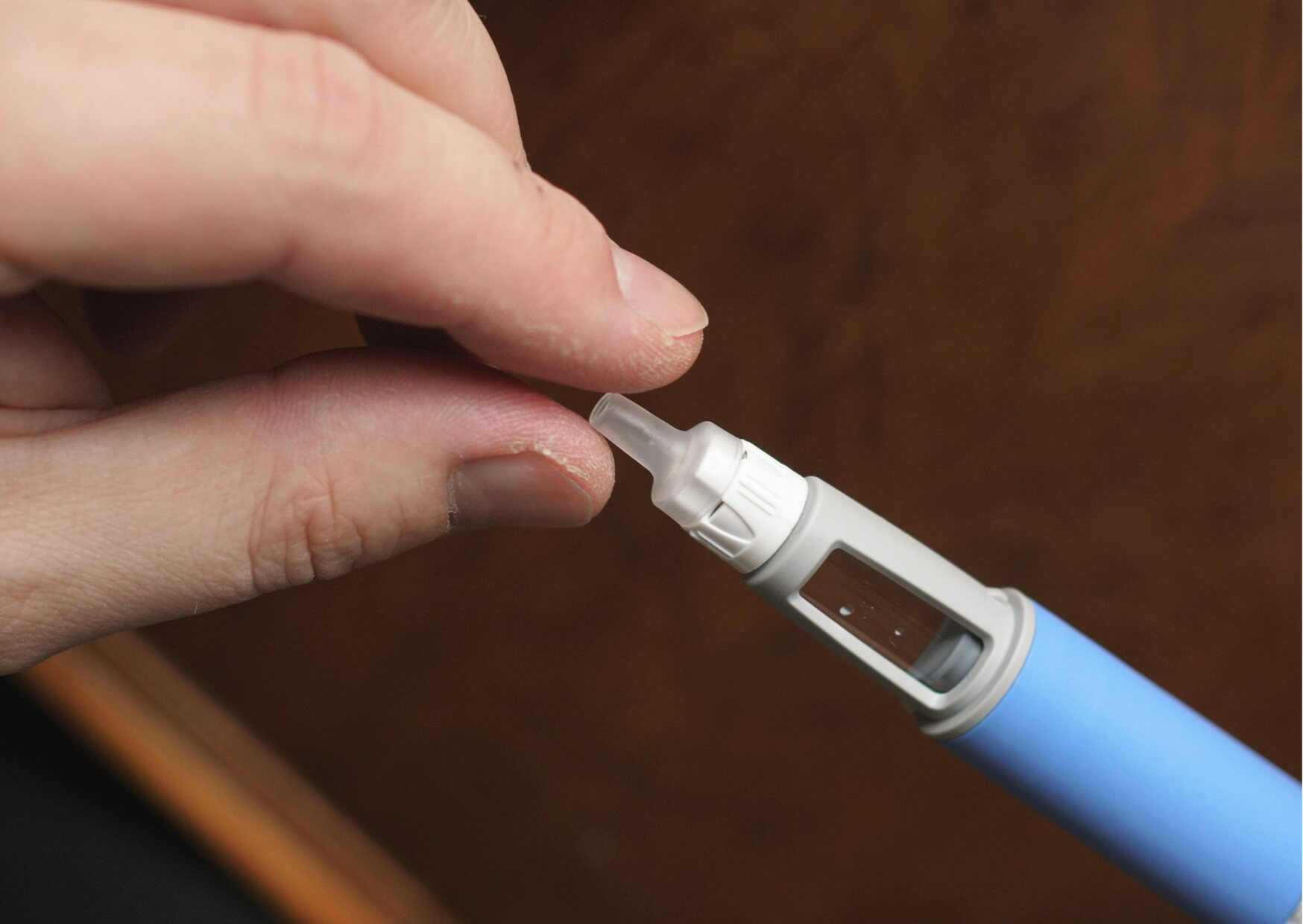
If your mouth feels drier, your teeth seem more sensitive, or your jaw feels tight after starting Ozempic, it is worth paying attention. Ozempic does not appear to directly damage teeth, but it can affect the mouth in ways that raise the risk of enamel wear, cavities, gum irritation, and jaw discomfort.
The main issue is usually not the medication touching the teeth themselves. The bigger concern is how Ozempic can change saliva flow, stomach emptying, appetite, nausea patterns, and daily eating habits.
Downtown Dental Nashville offers exams and cleanings in Nashville, TN, and provides the routine exam and cleaning many patients need when they notice dry mouth or new sensitivity. (exams and cleanings)
Ozempic, also called semaglutide, is a GLP-1 receptor agonist. It works by mimicking a natural hormone involved in blood sugar control, appetite regulation, and slowing how quickly food leaves the stomach.
That slower stomach emptying can help with glucose control and weight loss. It can also lead to nausea, reflux, burping, or vomiting in some people.
From a dental standpoint, repeated acid exposure in the mouth matters because acid softens enamel, the hard outer layer of the tooth. The FDA prescribing information lists gastrointestinal symptoms among the medication’s common adverse reactions.
Systemic medications can affect oral health in several ways. For practical tips on managing medication-related oral changes, see our medication effects on teeth.
Some patients also notice reduced thirst, lower fluid intake, or a dry mouth sensation while taking Ozempic. Saliva helps neutralize acid, wash away food debris, and protect teeth from decay.
Reports of dry mouth and dehydration-related oral changes have also drawn attention in dental settings. For specific home strategies to support saliva and comfort, review our dry mouth care.
Diet changes can also play a role. Eating smaller meals, snacking more often, using lozenges for nausea, or sipping sweetened drinks to settle the stomach can unintentionally increase cavity risk.
Most oral complaints linked to Ozempic are indirect effects rather than one dramatic problem. Symptoms often develop gradually over weeks or months, especially if nausea or dry mouth continues.
You may notice teeth sensitivity to cold or sweets. This can happen when enamel starts to thin or when the mouth stays dry enough that teeth lose some of their normal protection.
Bad breath can also become more noticeable. Dry mouth, reflux, reduced food intake, and changes in oral bacteria can all contribute.
Some patients report a sour taste, throat irritation, or a feeling that stomach contents are coming up more often. That pattern can suggest reflux, and acid reflux can affect the back teeth and the tongue side of the upper teeth over time.
Jaw soreness is another pattern worth noting. Nausea, poor sleep, stress around eating, and dehydration can sometimes increase clenching or grinding, also called bruxism.
That can lead to muscle tension and tooth wear. If jaw pain or persistent muscle tension occurs, specialized TMJ care can help diagnose and reduce pain and dysfunction.
Patients who notice related headaches or ongoing muscle pain may also find our information on neuromuscular TMJ helpful.
Gum irritation may show up too. A dry mouth environment can make plaque stick more easily, and plaque is the bacterial film that drives both cavities and gum inflammation.
There is no strong evidence that Ozempic directly causes cavities or makes teeth fall out. If decay or tooth loss develops during treatment, the more likely explanation is a mix of dry mouth, acid exposure, diet changes, and delayed recognition of symptoms.
That distinction matters. Ozempic may increase risk factors, but it is usually not the sole cause of a dental problem.
For example, vomiting or reflux can erode enamel. Dry mouth can make cavities develop faster.
Frequent small snacks, especially carbohydrate-rich foods, can feed cavity-causing bacteria more often throughout the day. If you are not sure whether new sensitivity or discomfort could be a cavity, review common cavity symptoms.
If teeth already had fillings, gum recession, cracks, or early decay before starting the medication, those areas may become symptomatic sooner. In that setting, Ozempic may reveal a problem rather than create one from nothing.
The mouth is not separate from the rest of the body. When digestion changes, the effects can show up in the teeth, oral tissues, jaw muscles, and breath.
Saliva is one of the most important protective factors in dentistry. It buffers acid, supports remineralization, and helps control bacterial growth.
When saliva drops, teeth are more vulnerable. When acid exposure rises, enamel softens.
When enamel softens and a person also clenches, the teeth may wear down faster. This is why some patients notice several changes at once, such as sensitivity, dry lips, morning jaw tightness, and a sour taste.
Those symptoms can be connected even when they seem unrelated at first. A dental exam helps sort out which factors are most likely involved.
A dental exam usually focuses on pattern recognition. The goal is to identify whether symptoms fit dry mouth, acid erosion, grinding, gum disease, decay, or a combination of these issues.
The dentist may check for enamel erosion on specific tooth surfaces, new cavities near the gumline, plaque buildup, gum inflammation, and signs of reduced saliva. The exam may also include a bite assessment, a jaw muscle tenderness check, and questions about reflux, nausea, vomiting, and diet changes.
If teeth are wearing down or cracking, the bite and parafunctional habits may need attention. Parafunction means oral habits outside normal chewing, such as clenching, grinding, or pressing the tongue against the teeth.
Some patients benefit from targeted bite treatment to reduce strain and protect teeth. X-rays may also be used when decay, bone loss, or hidden structural problems are suspected.
In some cases, the pattern of damage helps distinguish acid wear from grinding or brushing abrasion. That distinction helps guide the most effective treatment plan.
Treatment depends on the pattern and severity of findings. In many cases, the plan focuses on reducing ongoing damage while improving comfort.
If dry mouth is a major factor, care often centers on saliva support, hydration habits, and cavity prevention. If reflux or vomiting is contributing, the dental side of treatment focuses on protecting enamel and tracking erosion while the medical side addresses the digestive symptoms.
For patients with clenching or grinding, a custom night guard may help protect the teeth. It does not treat the underlying cause of bruxism, but it can reduce further wear and fracture risk.
If cavities are present, they may need fillings. If enamel loss is advanced, treatment may involve bonding, crowns, or other restorative work to rebuild function and reduce sensitivity.
Behavioral changes can matter too. Timing of meals, beverage choices, oral hygiene routine, and management of nausea-related habits may all influence the outcome.
Those decisions should be individualized during a dental visit rather than copied from general advice online. A personalized plan is usually more effective and easier to follow.
Dry mouth symptoms may improve fairly quickly if the trigger is temporary and saliva flow recovers. Sensitivity can also settle within weeks if acid exposure decreases and enamel is protected early.
Structural damage takes longer. Once enamel is significantly eroded, it does not grow back the way skin heals.
That is why early evaluation matters. Catching changes before major enamel loss often makes treatment simpler, less invasive, and less expensive.
If symptoms continue despite good home care and routine dental visits, further medical review may be needed. Ongoing reflux, frequent vomiting, or major changes in eating tolerance should not be ignored.

Some symptoms need faster attention. Severe tooth pain, facial swelling, pus, fever, trouble swallowing, or a broken tooth with sharp pain should be evaluated promptly.
Persistent vomiting, worsening reflux, signs of dehydration, or an inability to keep fluids down also deserve medical attention. These problems can affect both general health and oral tissues quickly.
A dental visit is also a good idea if you notice rapid enamel wear, multiple new sensitive areas, bleeding gums that do not improve, or jaw pain that interferes with sleep or chewing. Those patterns suggest more than a minor adjustment period.
If you are taking Ozempic and your mouth feels different, the safest approach is not to assume the change is harmless or permanent. A dentist can often tell whether the issue looks like dry mouth, acid erosion, grinding, gum disease, or something unrelated.
That makes the next step much clearer. In many cases, early guidance can prevent a small problem from becoming a more involved one.
At Downtown Dental Nashville, we provide professional dental cleanings in Nashville, TN, and see patients from East Nashville and Germantown; call (615) 254-1393 to schedule an exam.
Yes, indirectly. Tooth pain may happen if Ozempic contributes to dry mouth, reflux, vomiting, or clenching, all of which can irritate teeth or expose sensitive areas.
Some patients do report dry mouth while taking Ozempic. Dry mouth can increase the risk of cavities, bad breath, gum irritation, and sensitivity.
Yes. Repeated vomiting exposes teeth to stomach acid, which can soften and wear away enamel over time.
Yes. That information helps the dentist interpret symptoms such as dry mouth, reflux-related enamel wear, appetite changes, and jaw tension more accurately.
Not always. Symptoms like dry mouth may improve, but enamel erosion, cavities, cracks, and worn teeth usually need dental evaluation and may require treatment.
| Monday | 7:00 AM – 5:00 PM |
| Tuesday | 7:00 AM – 5:00 PM |
| Wednesday | 7:00 AM – 5:00 PM |
| Thursday | 7:00 AM – 5:00 PM |
| Friday | 7:00 AM – 3:00 PM |
| Saturday | Closed |
| Sunday | Closed |