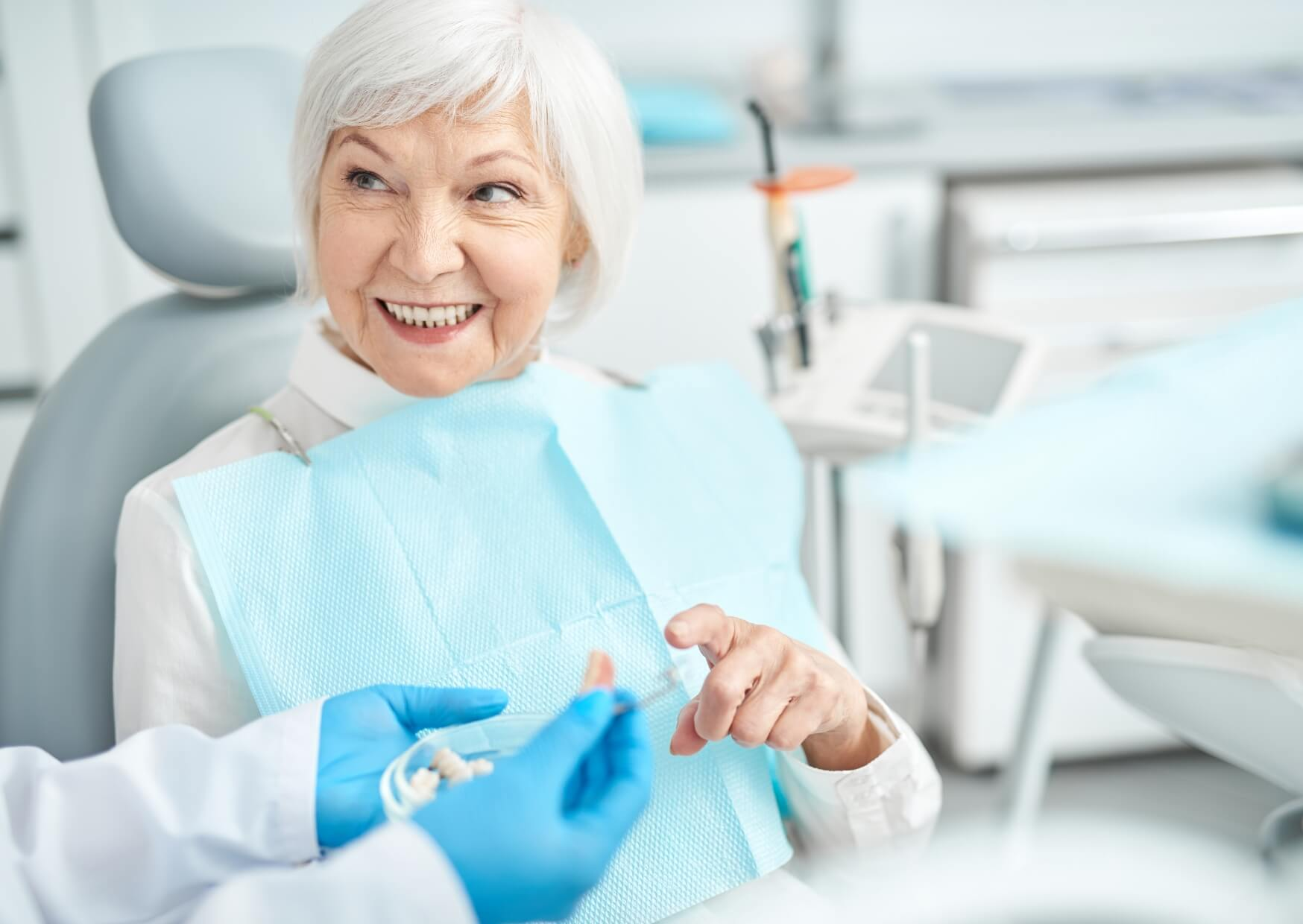
Missing teeth affect more than your smile. Chewing can become uneven, speech may feel different, and nearby teeth often begin shifting into the open space over time.
Many patients ask when it is too late to get dental implants after years of wearing a bridge or denture, or after putting off treatment because the area never seemed urgent. In most cases, it is not too late based on age alone or because a tooth has been missing for a long time.
The better question is whether your mouth and supporting bone can still hold an implant predictably. A dental implant is a titanium post placed in the jawbone to act like an artificial tooth root, so success depends on bone support, gum health, bite forces, healing ability, and careful planning.
Downtown Dental Nashville in Nashville, TN offers dental implants and implant evaluations using modern techniques for patients who want to restore missing teeth.
After a tooth is removed or lost, the bone that once supported that root no longer receives the same chewing stimulation. The body responds by slowly resorbing that bone, so the ridge can become narrower and shorter over time.
That process can begin within the first six months and may continue for years. In some areas, especially the upper back jaw, bone loss becomes significant enough that bone grafting may be needed before or during implant treatment.
Time also affects the surrounding teeth and bite. Adjacent teeth may tip, the opposing tooth may over-erupt, and the available space for a replacement may change enough to require additional correction before an implant can function well.
There is no fixed age cutoff for dental implants. Healthy older adults often do very well, while younger patients with uncontrolled disease or severe bone loss may need more complex care.
A dentist may be more cautious when there is active gum infection because untreated periodontal disease can compromise implant support. In that situation, effective gum disease treatment to control infection and inflammation is an important first step.
Heavy smoking, poorly controlled diabetes, untreated teeth grinding, and certain medications or medical conditions can also affect healing. These factors do not always rule out implants, but they can change timing, risk, and treatment planning.
Sometimes the issue is not whether an implant can be placed, but whether it can be placed in the ideal position. If the sinus, nerve canal, bone width, soft tissue quality, or bite relationship is unfavorable, treatment may still be possible, but the plan may involve grafting, staged surgery, or referral to a specialist.
The phrase "not a simple implant case” is often more accurate than “too late.” Many patients who were told years ago that they lacked enough bone may still qualify after modern advanced imaging and a more detailed treatment plan.
A long-standing missing tooth may not hurt, but the area often changes gradually. Patients may notice food trapping, a denture that feels looser, a collapsing bite, or chewing that shifts to one side.
The face can also change subtly when several teeth are missing. Reduced support in the lips and cheeks, a shorter lower-face appearance, or deeper lines around the mouth may reflect lost tooth structure and bone volume.
Some people only learn there is a problem when a bridge fails or a removable denture becomes unstable. At that point, jawbone shrinkage can limit straightforward implant placement, but it does not automatically rule it out.
A good implant consultation should answer more than whether there is enough bone. The dentist evaluates the amount and quality of bone, gum thickness, the health of nearby teeth, and how the upper and lower teeth meet.
Imaging is central to this process. A cone beam CT scan, which is a three-dimensional dental scan, can show bone contours, sinus position, and the location of the inferior alveolar nerve in the lower jaw, all of which matter for safe planning.
Many practices describe this capability as advanced imaging, and it is especially helpful when teeth have been missing for a long time. If you want a deeper look at how these scans affect treatment, read about 3D dental imaging.
The exam also includes bite analysis and muscle assessment. If clenching or grinding is present, the implant may face higher mechanical stress, which can affect the crown design, the number of implants recommended, or whether a protective night guard is discussed later. Bite problems are important to address, so see our article on a bad bite.
A thoughtful evaluation should also review medical history in practical terms. Overall healing capacity matters as much as the implant site itself, especially when surgery, grafting, or multiple implants are being considered.
It may be too late for standard implant treatment in its simplest form if the bone has resorbed extensively and the patient does not want or cannot undergo grafting. In that case, the question becomes whether alternative implant designs or non-implant options are more realistic.
It may also be inappropriate to proceed when gum disease is active and untreated, blood sugar is poorly controlled, or a medical condition makes oral surgery unsafe until it is better stabilized. These situations do not always mean never, but they often mean not yet.
In rare cases, prior radiation to the jaws, certain antiresorptive medications, severe immune compromise, or complex anatomical limitations may make implants a poor choice. That decision should come from an individualized exam, not from a general rule online.
The main red flag is this: persistent swelling, drainage, exposed bone, numbness, or severe bite collapse needs prompt evaluation. This is especially important if implants are being considered in an area with previous infection or long-term tooth loss.
Bone loss does not end the conversation. It usually changes the treatment plan.
Common options include bone grafting to rebuild width or height, sinus augmentation in the upper back jaw, ridge preservation at extraction sites, or the use of shorter or narrower implants in selected cases. These are not interchangeable solutions, and not every option fits every mouth.
For patients missing many teeth, a full-arch plan may sometimes work better than replacing each tooth individually. In other cases, a well-made dental bridge or removable prosthesis is still the safer and more practical choice. If you are weighing your options, our comparison of implants vs. dentures can help clarify the tradeoffs.
A reasonable dentist should explain those tradeoffs clearly. The best treatment is the one that is biologically sound and maintainable, not simply the most aggressive option.
Older adults often assume implants are no longer realistic, but age alone is usually not the barrier. A healthy patient in their 70s or 80s may be a better implant candidate than a younger patient with uncontrolled inflammation, heavy smoking, or poor home care.
Healing depends on circulation, immune response, nutrition, and the ability to keep the area clean during recovery. Dry mouth, dexterity limitations, and a history of repeated dental breakdown may also affect whether implants are likely to stay healthy long term.
This is one area where honest planning matters. If daily maintenance will be difficult, or if regular follow-up is unlikely, another tooth replacement method may be more predictable and easier to live with.
Some implants can be placed soon after extraction or restored relatively quickly, but that is not the norm for every patient. If infection, bone loss, or soft tissue problems are present, treatment often happens in phases.
A staged plan may include removing a failing tooth, allowing initial healing, placing grafting material, waiting for the bone to mature, placing the implant, and then allowing osseointegration before the final crown is made. Osseointegration means the implant surface bonds with the surrounding bone.
That timeline can feel slow, but it often improves predictability. Rushing an implant into a poorly prepared site can create bigger problems later than taking a few extra months to build a stable foundation.

A specialist opinion is worth considering when teeth have been missing for many years, dentures no longer fit, the bite has collapsed, or prior implant treatment has failed. Complex grafting, sinus work, nerve proximity, and full-arch reconstruction often benefit from advanced planning.
Patients should also seek prompt evaluation if there is facial swelling, fever, foul taste, drainage, worsening pain, or sudden mobility of a bridge, denture, or remaining teeth. Those findings may point to active infection or structural breakdown that should not wait.
If you have been wondering whether it is too late, the most useful next step is not guessing based on time alone. A focused implant evaluation can usually clarify whether the issue is timing, bone support, medical risk, or simply choosing the right replacement option for how your mouth functions now.
At Downtown Dental Nashville in Nashville, TN, we provide dental implants and personalized implant evaluations for patients from East Nashville and Germantown. Call (615) 254-1393 to schedule an appointment.
Yes, many patients can. The main concern is how much bone and gum support remains, not simply how many years have passed.
Usually not. Age alone rarely disqualifies someone if general health, healing ability, and oral hygiene are good enough for treatment.
That may still be treatable. A new exam with three-dimensional imaging may show options such as grafting, different implant designs, or a different type of tooth replacement.
No. Some patients still have enough bone for implants without grafting, while others need site development first. It depends on the location and extent of bone loss.
Seek prompt dental care if you have swelling, drainage, fever, numbness, a loose prosthesis, severe pain, or rapid changes in your bite. Those signs may indicate infection or structural problems that need timely evaluation.
| Monday | 7:00 AM – 5:00 PM |
| Tuesday | 7:00 AM – 5:00 PM |
| Wednesday | 7:00 AM – 5:00 PM |
| Thursday | 7:00 AM – 5:00 PM |
| Friday | 7:00 AM – 3:00 PM |
| Saturday | Closed |
| Sunday | Closed |