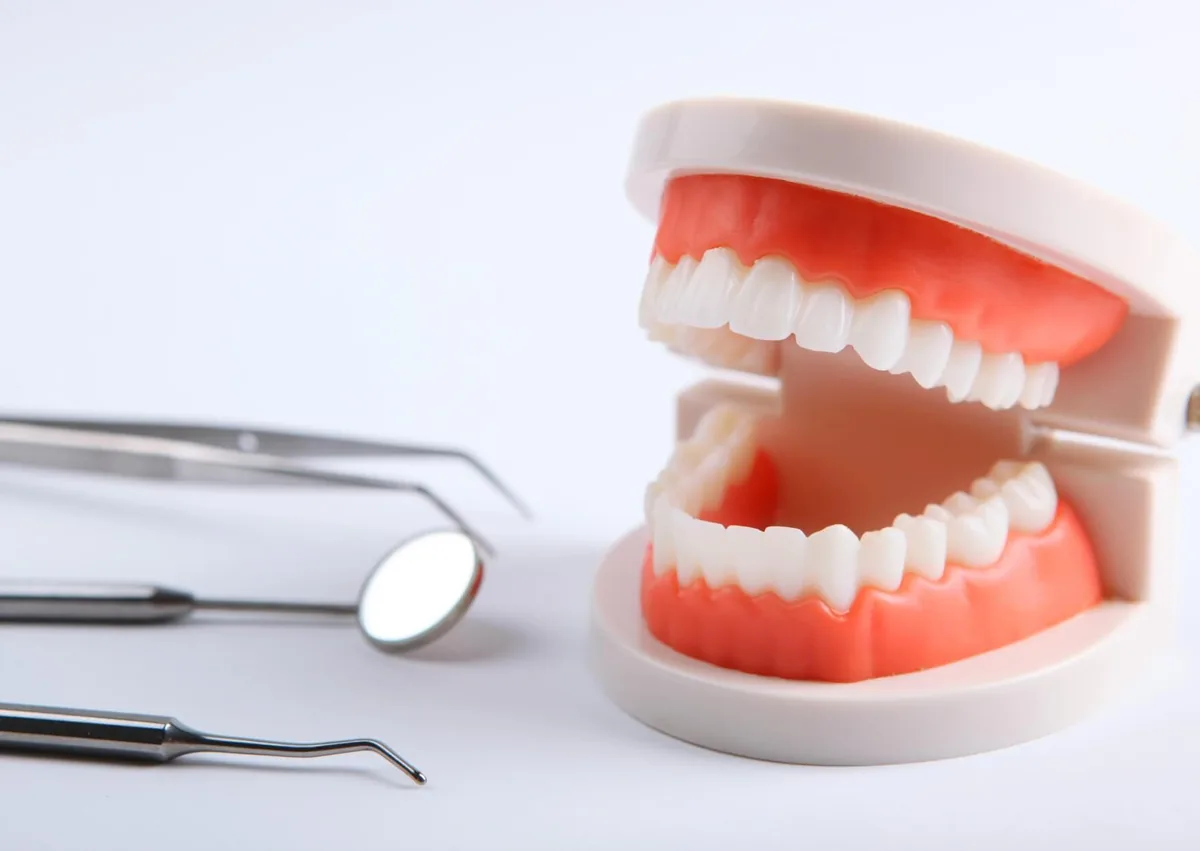
Most adults have 32 permanent teeth if all four wisdom teeth develop and remain in place. Many healthy adults have 28 instead because wisdom teeth never formed or were removed, and children usually have 20 primary, or baby, teeth.
A lower tooth count can also result from congenitally missing teeth, injury such as a cracked tooth, tooth decay, gum disease, or planned extraction. What matters most is not reaching a specific number, but having teeth that are healthy, functional, and working well with the bite and jaw.
If you have questions about your tooth count, missing teeth, or whether your teeth are developing as expected, a dental exam can provide clearer answers. Downtown Dental Nashville provides general dentistry in Nashville, TN, helping patients understand their oral health and what, if anything, needs attention.
Children normally have 20 primary teeth, with 10 in the upper jaw and 10 in the lower jaw. These teeth usually begin appearing around 6 months of age, and most children have a full set by about age 3, although timing varies.
For routine exams, prevention, and guidance during eruption, see children’s dentistry.
Permanent teeth usually begin replacing baby teeth around age 6. By the early teen years, most people have 28 permanent teeth, while wisdom teeth often emerge between ages 17 and 25 if they develop and have enough room.
The complete adult set includes:
Having fewer than 32 adult teeth is common and does not automatically mean something is wrong. Many people never develop one or more wisdom teeth, and others have teeth removed because of crowding, infection, severe damage, orthodontic planning, or impacted wisdom teeth.
A permanent tooth may also be congenitally absent, which means it never formed. Less often, a person develops an extra tooth, called a supernumerary tooth, which may stay hidden in the jaw or interfere with normal eruption.
When infection or periodontitis threatens the supporting bone, prompt gum disease treatment can help protect remaining teeth and reduce the risk of further tooth loss.
During the mixed-dentition years, usually ages 6 to 12, children often have both primary and permanent teeth at the same time. Counting teeth during this stage can be confusing because baby teeth are falling out while replacement teeth and new molars are still coming in.
The number of teeth matters less than whether the teeth present are healthy, stable, and able to function together. Teeth support chewing, speech, facial structure, and the way force is distributed through the bite, also called occlusion.
When a tooth is missing, nearby teeth may tilt and the opposing tooth may drift into the open space. Over time, that can change chewing patterns and contribute to food trapping, uneven wear, muscle fatigue, or harder-to-clean areas.
Jaw discomfort, headaches, clenching, or clicking usually cannot be explained by tooth count alone. Bite contacts, jaw-joint health, muscle tension, sleep-related grinding, tooth wear, and other medical factors may interact and call for a broader evaluation.
For more on how muscles, jaw joints, and teeth affect one another, see neuromuscular orthodontics.
People often notice a tooth-count difference when a permanent tooth does not appear, a baby tooth stays in place into adulthood, or wisdom teeth start causing pressure or gum soreness. They may also notice a gap, crowding, food trapping, chewing difficulty, or a tooth coming out of position.
Partially erupted wisdom teeth can leave a gum flap that traps plaque and food. This may cause tenderness, swelling, a bad taste, or difficulty opening the mouth, although some impacted wisdom teeth cause no symptoms and are found only on an X-ray.
A dentist counts visible teeth and checks for decay, gum health, tooth mobility, spacing, wear, and how the upper and lower teeth meet. If there is pain, clenching, limited movement, or another functional concern, the exam may also include the jaw joints and chewing muscles.
Dental X-rays can show teeth that have not erupted, congenitally missing teeth, extra teeth, retained roots, and the position of wisdom teeth. Panoramic or other advanced imaging may be appropriate when a broader view of the jaws is needed, based on age, symptoms, history, and exam findings.
If snoring, repeated nighttime choking, morning headaches, or daytime sleepiness is present, tell both a dentist and a medical clinician. A dental exam may identify oral features associated with airway restriction, but sleep apnea requires medical diagnosis.
No treatment is needed just because an adult has fewer than 32 teeth. Healthy spacing, absent wisdom teeth, or previously removed teeth may only need routine monitoring and preventive care.
When a missing or extra tooth affects function or development, treatment may include:
Behavioral steps may also support the plan, such as improving brushing around partially erupted teeth or reducing daytime clenching. Custom bite appliances can help some patients protect teeth from grinding, but they do not replace diagnosis of the underlying cause and do not treat every type of jaw pain or sleep disorder.
Tooth eruption happens over years, so a delayed tooth may still fall within normal variation. A dentist may monitor development over several visits, while persistent obstruction, infection, damage to nearby teeth, or an abnormal eruption path may justify earlier treatment.
Healing after an extraction usually progresses over days to weeks, although bone remodeling continues longer. Orthodontic space management and tooth replacement often take months, depending on growth, bone support, gum health, and the complexity of care.
The goal is not necessarily to have 32 teeth. The goal is a comfortable, cleanable, stable bite with enough healthy teeth for chewing and speech.

Arrange a dental evaluation if a permanent tooth is not coming in as expected, an adult baby tooth becomes loose, or there is persistent pain, swelling, bleeding, chewing difficulty, or a change in the bite. Depending on the finding, a general dentist may refer to an orthodontist, oral and maxillofacial surgeon, periodontist, prosthodontist, pediatric dentist, or medical sleep specialist.
Seek urgent dental or medical care for rapidly increasing facial or neck swelling, fever with dental swelling, uncontrolled bleeding, severe trauma, difficulty swallowing, or difficulty breathing. If you are unsure whether a tooth-number difference is normal, an exam and appropriate imaging can help clarify whether it needs treatment.
Downtown Dental Nashville offers general dentistry in Nashville, TN, with personalized evaluations to help you understand your teeth and the appropriate next steps. Call (615) 254-1393 to schedule an appointment and get a clearer picture of your oral health today.
No. Thirty-two is the maximum typical permanent count when all four wisdom teeth are present, but many healthy adults have 28 because wisdom teeth never developed or were removed.
Yes. The standard adult count of 32 includes four wisdom teeth, one at the back of each side of the upper and lower jaws.
Children typically have 20 primary teeth. During the transition to permanent teeth, the visible number varies as baby teeth fall out and adult teeth erupt.
It can be, especially after wisdom tooth removal or other planned extractions. A dentist can confirm whether the remaining teeth and spaces are healthy and functioning properly.
Yes, although it is uncommon. Extra, or supernumerary, teeth may erupt or remain in the jaw and sometimes require monitoring, orthodontic management, or removal.
| Monday | 7:00 AM – 5:00 PM |
| Tuesday | 7:00 AM – 5:00 PM |
| Wednesday | 7:00 AM – 5:00 PM |
| Thursday | 7:00 AM – 5:00 PM |
| Friday | 7:00 AM – 3:00 PM |
| Saturday | Closed |
| Sunday | Closed |