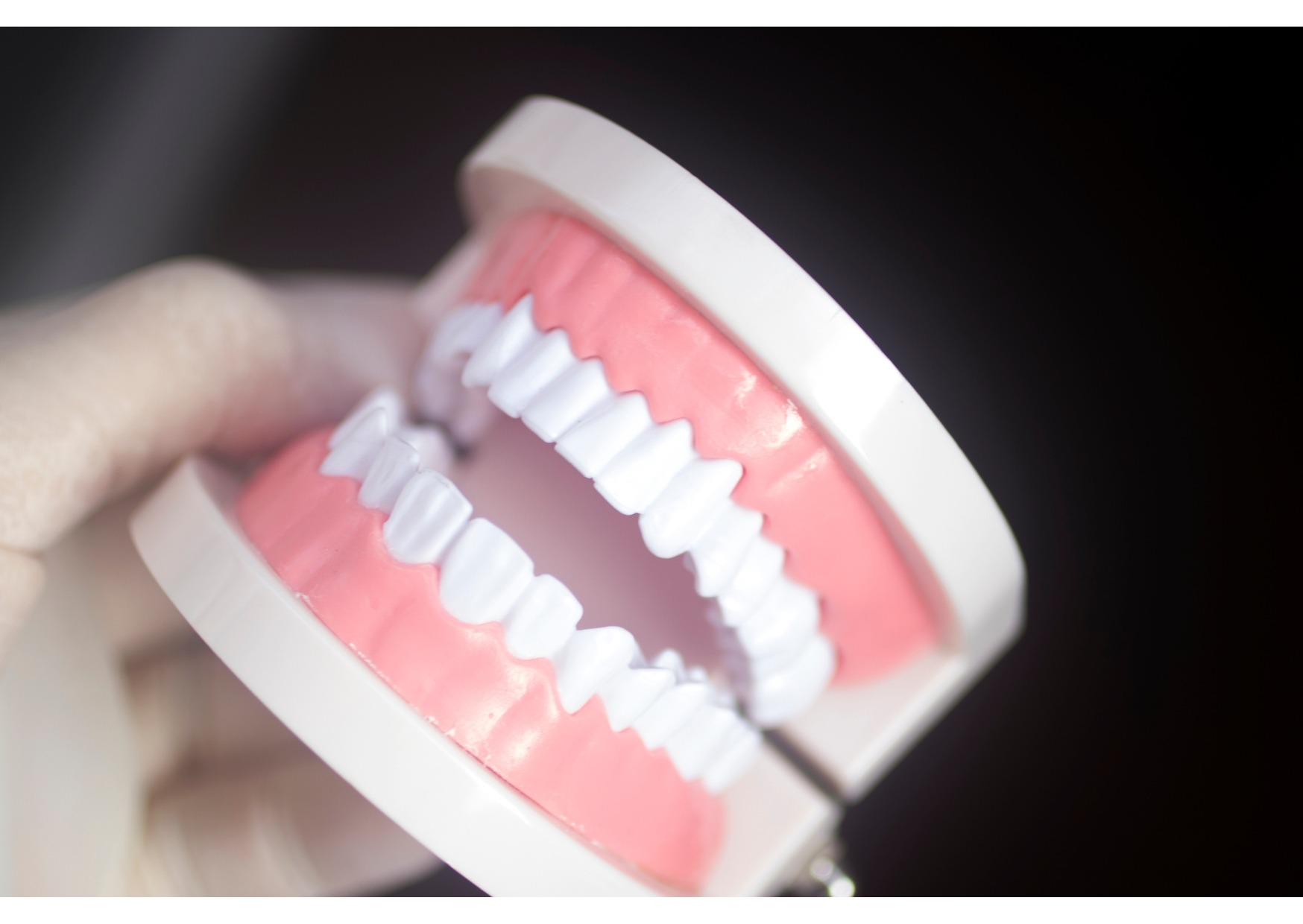
Small chips, worn edges, uneven front teeth, and stains that do not respond well to whitening (see teeth whitening myths) can change how a smile looks and feels. In many cases, the question is not whether cosmetic dentistry can help, but which option makes the most sense for the tooth structure that is already there.
When people compare cosmetic bonding vs. dental veneers, the real difference is not just appearance. It is also about how much healthy enamel remains, how the bite functions, whether there is a bad bite, how the teeth come together during chewing, and how long the result needs to hold up under daily stress. A good cosmetic plan should improve appearance without ignoring function, because front teeth are used for speech, biting, and guiding jaw movement.
Bonding and veneers can both improve shape, color, and symmetry. They do it in different ways, and each has clear strengths and limitations. The best choice depends on the condition being treated, not just the look of the final photo.
At Downtown Dental Nashville, patients exploring cosmetic dentistry services receive treatment recommendations based on their smile goals, tooth structure, and long-term oral health. A thoughtful evaluation can help determine which option offers the most natural appearance and functional fit for each individual case.
Dentists use cosmetic bonding with a tooth-colored composite resin, which is a sculptable filling material that bonds to enamel with an adhesive layer. A dentist places the material directly on the tooth, shapes it, and hardens it with a curing light. The goal is to blend the repair into the surrounding tooth so the chip, gap, edge, or contour issue is less noticeable.
Bonding is often used for small to moderate cosmetic changes. It can work well for a chipped incisor, a slightly undersized lateral tooth, a narrow gap, or a localized area of discoloration. It is also commonly chosen when a patient wants a more conservative treatment that usually removes little or no tooth structure.
That conservative approach is one of bonding’s main advantages. In the right case, the dentist can improve the smile in a single visit while preserving most of the natural enamel. That said, composite resin is not as strong or stain-resistant as porcelain, so the long-term result depends heavily on bite forces, oral habits, and the size of the repair.
Dental veneers are thin coverings bonded to the front surface of teeth, most often made from porcelain or ceramic. They are designed outside the mouth after planning, impressions or scans, and shade selection. In many cases, a small amount of enamel is reshaped so the veneer can sit naturally and not look bulky.
Porcelain veneers are usually chosen when the cosmetic concern is broader or more complex. They can correct multiple issues at once, including color mismatch, irregular shape, worn edges, mild crowding that does not require orthodontics, and teeth that have several old repairs on the front surface. Because porcelain reflects light in a way that can closely mimic enamel, veneers often provide a more stable and refined esthetic result than bonding.
The tradeoff is that veneers are a more involved treatment. They usually require more planning, higher cost, and, in many cases, some irreversible enamel reduction. That is why a careful exam matters. Veneers can be an excellent treatment, but they should not be the default answer for every cosmetic concern.
The most important difference between these options is how the material behaves over time. Composite bonding is repairable and conservative, but it is more porous than porcelain. That means it may pick up stains from coffee, tea, red wine, tobacco, or strongly pigmented foods more easily, especially along margins and polished edges.
Porcelain is more color-stable and generally resists surface staining better. It also tends to hold gloss and shape longer. For patients who want a brighter, more uniform look across several front teeth, dental veneers usually offer greater long-term stability.
Function matters too. If the front teeth are under heavy load from clenching, edge-to-edge bite contact, or nighttime grinding, both bonding and veneers can chip or wear. The difference is that small bonded areas are often easier to patch, while damaged veneers may require replacement depending on the fracture pattern and the integrity of the bond.
Bonding is often a strong option when the problem is localized rather than full-smile. Typical examples include a single chipped tooth, a small space between front teeth, a tooth that looks slightly too short, or a front tooth with minor contour asymmetry.
It can also be useful when a patient is younger and the dentist wants to preserve enamel while the smile and bite continue to change over time. In that setting, composite bonding can be a practical first-step treatment because it is additive, relatively conservative, and easier to revise later if the plan changes.
Another common reason to choose bonding is its conservative nature. Since little enamel may need to be removed, the tooth often stays closer to its original condition than it would with a veneer. That can matter when the cosmetic goal is modest rather than transformative.
Veneers may make more sense when several front teeth need coordinated changes in shape, color, width, and edge position. They are often considered when discoloration is intrinsic, meaning the stain is within the tooth rather than on the surface, or when there are multiple old bonded repairs that no longer match well.
They may also be preferred when the desired esthetic change is difficult to maintain with composite alone. For example, if a patient wants a more uniform smile line, brighter shade, and smoother symmetry across multiple visible teeth, porcelain often gives the dentist more control over the final design. For patients concerned about enamel removal, ask about prepless veneers as a conservative veneer alternative that may require little to no enamel reduction.
This does not mean veneers are stronger in every situation. They still rely on proper case selection, healthy enamel for bonding, and a stable bite. If gum disease, untreated decay, active grinding, or major tooth-position problems are present, those issues usually need attention before veneers are considered.
A cosmetic consultation should not be limited to shade and shape. A dentist will usually examine the bite, the amount and quality of enamel, the way the front teeth contact during speech and chewing, and whether there are signs of grinding or clenching. Gum health matters too, because inflamed or uneven tissue can make even technically good cosmetic work look unstable.
Photos, digital scans, and sometimes X-rays help show whether the tooth is intact enough for bonding, already heavily restored, or structurally better suited for another type of restoration. Existing fillings, cracks, and wear patterns can change the recommendation. A tooth with a large old filling on the front may not behave like a mostly untouched tooth.
The dentist may also assess facial symmetry, lip position, and how much the tooth shows at rest and when smiling. These details affect whether the issue is really one tooth, several teeth, or the interaction between tooth shape and the surrounding soft tissue. This is often where thoughtful cosmetic dentistry separates itself from quick cosmetic patchwork.
| Feature | Bonding | Veneers |
| Material | Composite resin | Usually porcelain or ceramic |
| Visits | Often one visit | Usually two or more visits |
| Tooth preparation | Often minimal | Often some enamel reshaping |
| Best for | Small to moderate localized changes | Broader smile redesign or multiple coordinated changes |
| Stain resistance | Lower than porcelain | Higher than composite |
| Repairability | Often easier to repair directly | May require replacement if damaged |
| Longevity | Variable, often shorter service life than porcelain | Usually longer-lasting with good case selection |
| Cost | Usually lower upfront | Usually higher upfront |
This comparison is useful, but it should not be treated as a guarantee. Longevity varies with oral habits, bite forces, home care, diet, and the quality of planning and placement. A small bonded repair in a low-stress area may last well, while a veneer placed into an unstable bite may fail earlier than expected.
Maintenance is important for both. Regular cleanings, careful polishing, and monitoring of bite wear help preserve the result. If grinding is present, a dentist may discuss a protective night guard, especially after cosmetic treatment on the front teeth.
Many patients start with price, which is understandable. Bonding usually costs less at the beginning because it is completed directly in the chair and often in one appointment. Veneers involve laboratory fabrication, more planning, and a more complex workflow, so the initial fee is usually higher.
The more useful question is what the treatment is expected to do over time. Bonding may be more affordable now, but it can require more polishing, touch-ups, or replacement as staining and edge wear accumulate. Veneers often cost more upfront, yet they may maintain color and surface quality longer in the right patient.
That does not automatically make veneers the better value. If the cosmetic issue is small and localized, placing veneers for a problem that bonding could solve may be more treatment than necessary. A conservative plan is often the better plan when the tooth structure supports it.
After bonding, the tooth usually feels normal quickly, although the tongue may notice small contour differences for a few days. The dentist may schedule follow-up if the bite needs minor refinement or if the patient wants a small shape adjustment after living with the new contour.
With veneers, adaptation can take a bit longer because the change is often more noticeable across several teeth. Speech sounds, lip feel, and bite awareness usually settle as the mouth adjusts, but any persistent high spot, sensitivity, or edge interference should be reassessed rather than ignored.
Over the years, both treatments benefit from routine review. Dentists watch for margin staining, chipping, gum changes, and bite-related wear. Persistent sensitivity, repeated chipping, or a bite that feels off are signs that the restoration and the way the teeth function together may need closer evaluation.
Sometimes the visible tooth problem is only part of the story. If front teeth are chipping repeatedly, flattening, or shifting, the underlying issue may be grinding, airway-related sleep disturbance (see sleep apnea treatment), acid erosion, or an unstable bite (see bad bite).
Jaw pain (see TMJ cycle of pain), morning muscle tightness, headaches linked to clenching, gum recession, and cracked teeth may all change the treatment plan. A dentist may recommend managing those factors first or involving another professional such as an orthodontist, prosthodontist, periodontist, or sleep physician depending on the pattern.
Urgent evaluation is appropriate if there is sudden facial swelling, severe tooth pain, trauma that loosens a tooth, bleeding that does not stop, or a new crack associated with pain on biting. Cosmetic decisions should wait when there is an active dental problem that affects tooth health or safety.
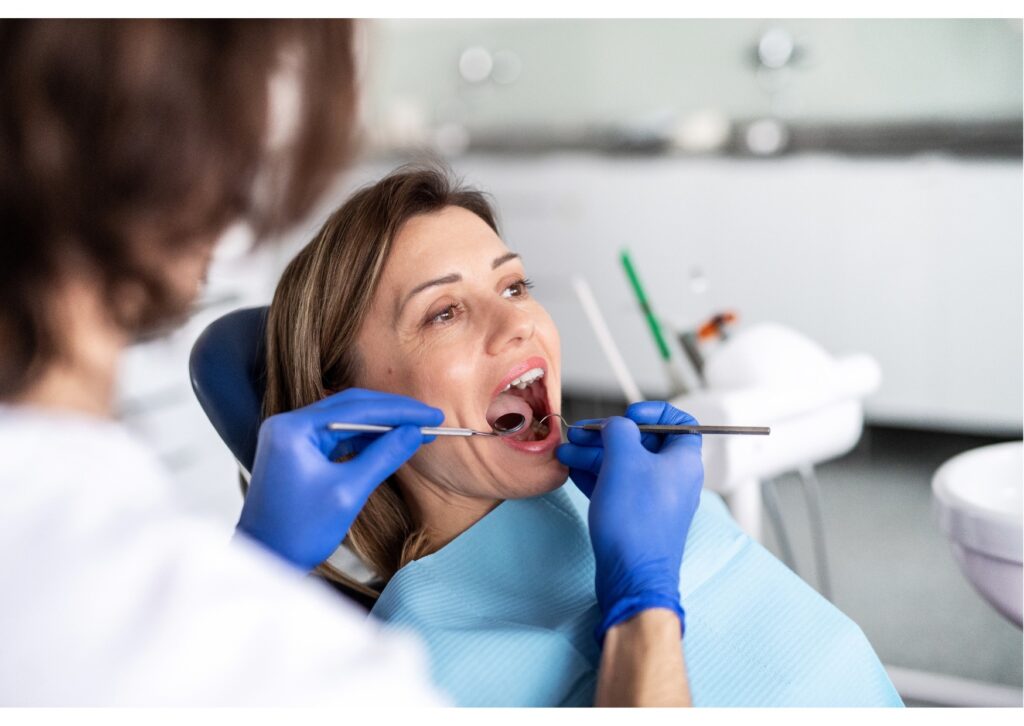
The best question is usually not which treatment is better in general. It is which treatment fits the tooth, the bite, and the cosmetic goal with the least unnecessary intervention.
If the concern is small, localized, and structurally simple, bonding is often the most conservative and sensible place to start. If the concern involves several front teeth, more significant color and shape changes, or a need for greater long-term polish and stability, veneers may be the stronger option.
A thoughtful dentist should be able to explain why a recommendation fits your specific teeth, what alternatives exist, and what tradeoffs come with each path. That kind of explanation matters more than any before-and-after gallery because successful cosmetic dentistry is not just about the photo. It is about whether the result still works well months and years later.
Ready to improve your smile with a treatment plan designed around your needs? At Downtown Dental Nashville, patients receive personalized guidance for cosmetic bonding, veneers, and comprehensive smile evaluations focused on long-term function and natural-looking results. Call (615) 254-1393 to schedule a consultation at our Nashville, TN office and learn which option may be the best fit for your smile goals.
For a small chip, bonding is often the first option because it can preserve more natural enamel and is usually simpler to repair later. If the tooth has larger structural damage, repeated fractures, or broader cosmetic concerns, another restoration may be more appropriate.
Not inherently, but veneers often require some enamel reshaping, which is usually irreversible. That is why case selection matters and why conservative alternatives should be discussed when the cosmetic problem is limited.
Yes, in many cases composite bonding stains more easily and loses surface gloss sooner than porcelain. This is especially noticeable with frequent exposure to coffee, tea, tobacco, or other strongly pigmented substances.
There is no single timeline for every patient. Bonding often has a shorter service life than porcelain veneers, but longevity depends on bite forces, oral habits, home care, and how well the treatment fits the tooth and the overall bite.
Often yes, but the recommendation should come from a full evaluation rather than a quick cosmetic opinion. The condition of the enamel, existing fillings, gum health, tooth position, and bite pattern all influence whether bonding or veneers is the safer and more durable choice.
| Monday | 7:00 AM – 5:00 PM |
| Tuesday | 7:00 AM – 5:00 PM |
| Wednesday | 7:00 AM – 5:00 PM |
| Thursday | 7:00 AM – 5:00 PM |
| Friday | 7:00 AM – 3:00 PM |
| Saturday | Closed |
| Sunday | Closed |