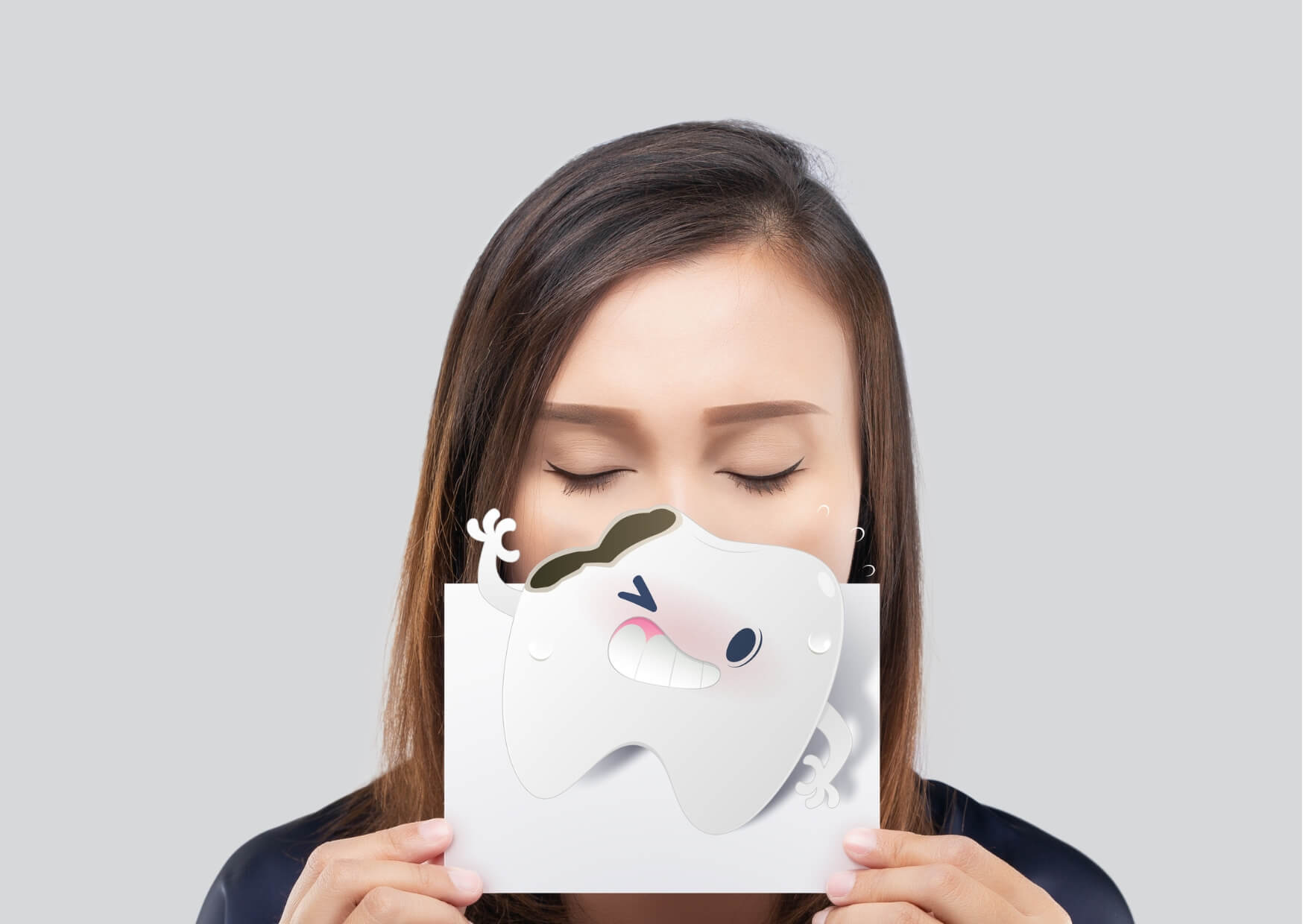
A cracked tooth often feels inconsistent. Many patients describe a quick, sharp pain when biting down, followed by relief when the pressure is released.
That on-and-off pattern matters. A tooth can look normal from the outside while a small fracture line opens slightly under force and irritates the inner tooth structure.
Some people notice pain when chewing or releasing a bite. Others mainly feel cold sensitivity, a vague ache, or discomfort that is hard to pinpoint to one exact tooth.
A cracked tooth does not always cause constant pain. In many cases, symptoms come and go for days or weeks, which makes the problem easy to ignore until the crack deepens.
Downtown Dental Nashville in Nashville, TN offers same-day restorations for fast, custom ceramic repair when prompt restoration is helpful.
Teeth have layers. The outer enamel is hard, the dentin underneath is more sensitive, and the pulp in the center contains the nerve and blood supply.
When a crack reaches the dentin, the tooth may react to pressure, cold, sweets, or air. If the crack irritates the pulp, symptoms may become stronger, last longer, or shift from sensitivity to throbbing pain.
The mechanics matter. As you chew, the cracked parts of the tooth can flex microscopically and trigger pain in the nerve-rich inner tissue.
That is why sharp pain on release after biting is a classic clue. It suggests the tooth structure is moving under pressure rather than reacting the way a cavity usually would.
A cracked tooth may cause several symptoms instead of one obvious sign. The exact pattern depends on the size and direction of the crack, the tooth involved, and whether the nerve is inflamed.
This is one of the most common complaints. Hard foods, crusty bread, nuts, or chewing on one side may trigger a brief but distinct pain.
Some patients start avoiding one area of the mouth without realizing it. Others notice the tooth only hurts at certain bite angles.
A crack can expose sensitive pathways inside the tooth. Cold drinks may cause a sudden zing, and sweet foods may briefly irritate the tooth.
If the sensitivity lingers after the trigger is gone, the pulp may be more inflamed. That does not confirm a crack by itself, but it does raise concern.
Some cracked teeth do not cause severe pain at first. Instead, the tooth may feel different when closing, chewing, or clenching.
Patients often describe this as a tooth that feels weak, unstable, or unusually noticeable. That feeling is worth checking, especially if it is new.
Cracked teeth can be frustrating because symptoms are not always predictable. A person may feel pain one day and almost nothing the next.
This happens often enough that intermittent tooth pain with chewing should not be dismissed just because it improves temporarily.
A cracked tooth does not always feel like a visible break or a severe emergency. Many cracks are too small to see in the mirror and may not cause swelling right away.
It also does not always feel like a cavity. If you are unsure, read about common cavity symptoms.
Symptoms can overlap. Grinding, gum recession, loose fillings, large restorations, and bite imbalance can create similar sensations, which is why diagnosis should not rely on symptoms alone.
Molars and premolars are the teeth most likely to crack because they handle the strongest chewing forces. Lower second molars and upper premolars are common sites in everyday practice.
Risk tends to rise when a tooth has a large filling, a history of heavy clenching or grinding, or repeated stress from a bad bite. Age can matter too, since teeth become less flexible over time.
A crack may also begin after chewing something unexpectedly hard, such as ice, popcorn kernels, or unpopped seeds. In other cases, there is no single event and the fracture develops gradually.
Diagnosis starts with the symptom pattern. A dentist will usually ask what triggers the pain, whether it happens on biting or release, how long sensitivity lasts, and whether the problem is becoming more frequent.
The exam often includes checking the bite, tapping on the tooth, testing cold response, and using a bite tool to reproduce symptoms safely in a controlled way. Magnification and bright light can also help reveal fracture lines.
The gums around the tooth matter too. A narrow, deep periodontal pocket, meaning an isolated deeper space between the tooth and gum, can suggest a crack extending below the gumline.
X-rays may help, but it is often hard to see cracks on standard dental radiographs. Advanced imaging can help evaluate surrounding bone, existing fillings, root problems, and other causes of pain, even when the crack itself is subtle.
In particular, 3D dentistry can reveal subtle fractures that standard x-rays may miss. In some cases, the diagnosis becomes clearer over time.
That is one reason early dental evaluation for a suspected tooth fracture is better than waiting for constant pain.
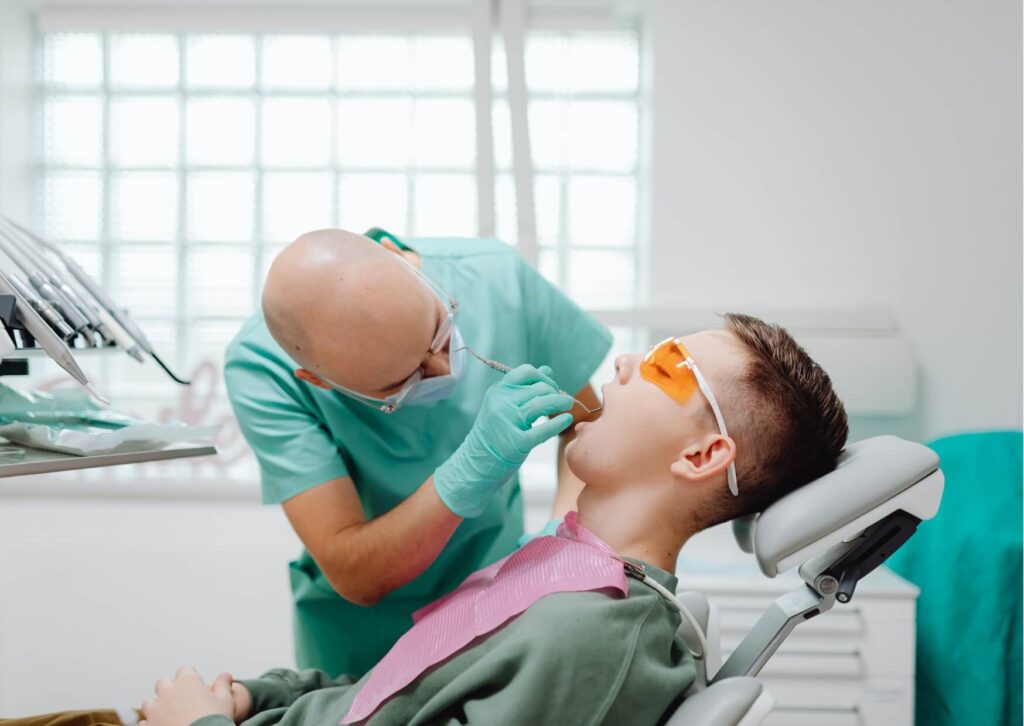
Treatment depends on the location of the crack, the condition of the nerve, and whether the tooth can still be restored predictably. The goal is to stabilize the tooth and reduce the flexing that triggers pain.
Small cracks limited to the outer tooth structure may sometimes be monitored or repaired with dental fillings if there is a weak filling or damaged cusp. More significant cracks often need dental crowns to hold the tooth together during function.
If the pulp has become irreversibly inflamed or infected, root canal treatment may be needed before the tooth is restored. Learn more about the procedure in our root canals 101.
If the crack extends too far below the gumline or splits the tooth in a way that cannot be restored, extraction may be the safest option.
A custom night guard may also be recommended when clenching or grinding is adding to the stress pattern, which is often tied to the TMJ cycle of pain. It does not repair a crack, but it can help reduce further overload.
Once a cracked tooth is stabilized, biting pain often improves first. Temperature sensitivity may also settle, although an irritated nerve can take longer to calm down.
If symptoms continue after treatment, the tooth may need further evaluation. Persistent pain can mean the crack is deeper than first thought, the pulp is not recovering, or another nearby tooth is involved.
The key is to keep expectations realistic. Some cracked teeth respond very well to prompt treatment, while others remain less predictable because fractures do not behave as neatly as simple cavities.
Call a dentist promptly if a tooth has worsening pain with chewing, repeated sharp pain, or sensitivity that becomes more intense or lingers. These changes may mean the crack is progressing or the pulp is becoming more inflamed.
More urgent evaluation is important if there is swelling, fever or facial swelling, or pain that keeps you awake. Those signs can point to infection or a more advanced problem that should not be managed by waiting it out.
A visible split tooth, a piece of tooth breaking off, or sudden inability to bite on that side also deserves prompt care. Even if the pain fades, the structural problem may still be significant.
General information can help you recognize a pattern, but it cannot confirm which tooth is involved or how deep a crack goes. If these symptoms sound familiar, a dental exam is the safest next step and can often prevent a smaller fracture from becoming a more complicated problem.
Downtown Dental Nashville offers same-day restorations in Nashville, TN and serves nearby Germantown and Midtown; call (615) 254-1393 to schedule.
Yes. Many cracked teeth cause symptoms that come and go, especially early on. Pain may appear only with certain foods, certain bite angles, or temperature triggers.
No. Many cracks are too fine or are oriented in a way that makes them hard to see on standard dental x-rays. Dentists often rely on symptoms, bite testing, magnification, and the overall exam.
It can, especially in back teeth where pain is harder to localize. Referred pain means discomfort may seem to spread, which is one reason a proper exam matters.
Not always, but it should not be ignored. Prompt evaluation is wise if pain is recurring, biting is difficult, or sensitivity is worsening.
A chip often affects the outer edge of the tooth and may be visible. A crack may extend deeper into the tooth and can cause pain with pressure even when there is little to see from the outside.
| Monday | 7:00 AM – 5:00 PM |
| Tuesday | 7:00 AM – 5:00 PM |
| Wednesday | 7:00 AM – 5:00 PM |
| Thursday | 7:00 AM – 5:00 PM |
| Friday | 7:00 AM – 3:00 PM |
| Saturday | Closed |
| Sunday | Closed |