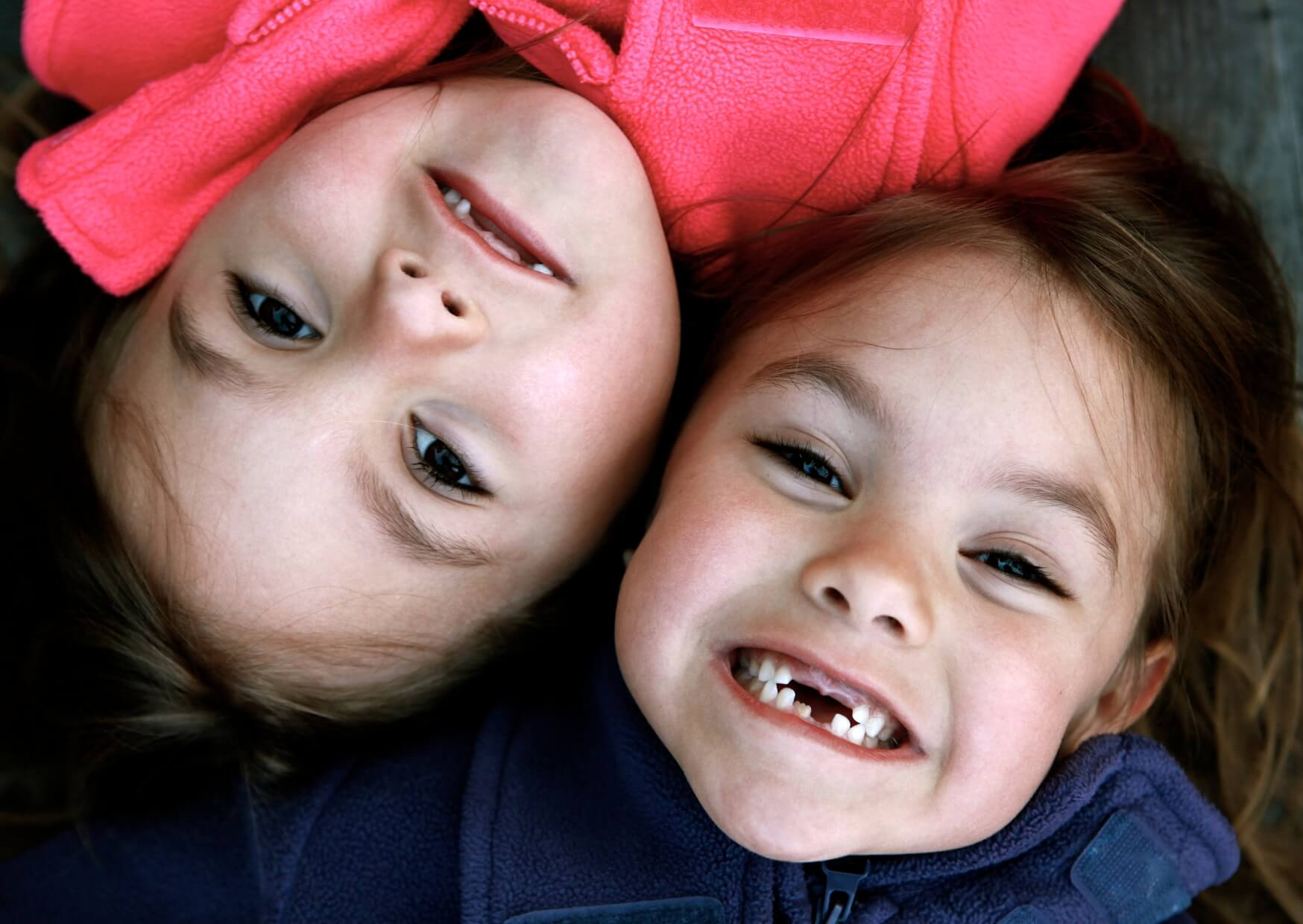
Most children lose their first baby tooth at about age 6, but the normal range is wider than many parents expect. Some children start closer to age 5, while others do not lose a tooth until age 7.
In most cases, the first teeth to loosen are the lower front teeth in the center, called the lower central incisors. The upper front teeth often follow, although the exact order can vary.
The timing usually depends on how the permanent teeth are developing under the gums. As an adult tooth moves upward, it slowly dissolves the root of the baby tooth so the baby tooth can loosen and fall out.
Downtown Dental Nashville provides children’s dentistry in Nashville, TN and offers family-focused care when baby teeth begin to loosen.
Baby teeth do not fall out just because they get old. They loosen because the permanent tooth underneath causes root resorption, which means the baby tooth root gradually breaks down so the tooth can come out safely.
This process usually follows the same general sequence as baby teeth first erupted. Front teeth tend to loosen before back teeth, and the full change from baby teeth to permanent teeth often continues into the early teen years.
Even so, children do not all follow the same timeline. Genetics, early or late tooth eruption, and differences in jaw growth can all shift the schedule without meaning anything is wrong.
The first sign is often a tooth that feels slightly wiggly during brushing or eating. A child may also mention mild pressure, tenderness, or a different feeling when biting into firmer foods.
A small amount of gum soreness can be normal. Light bleeding may happen when a very loose tooth finally comes out, but heavy bleeding, swelling, or significant pain is not typical and should be checked.
It is also common for one front tooth to loosen before the matching tooth on the other side. Mild asymmetry by itself is usually normal, especially early in this stage.
Several factors can make a first baby tooth come out earlier or later than expected. If baby teeth erupted early, they may also be lost early. If they came in late, shedding may happen later too.
A history of dental trauma can also change the pattern. A bumped or injured baby tooth may loosen sooner than expected, or the area may need monitoring because trauma can affect the developing permanent tooth.
Crowding can change the timing or path of an eruption. Sometimes the permanent tooth comes in behind the baby tooth instead of directly underneath, creating a double row of teeth that often worries parents but is not always an emergency. Early review with a dentist can help determine whether simple monitoring is enough or whether orthodontics may be helpful.
In some children, a permanent tooth may be missing from birth, or the eruption path may be blocked. These situations are less common, but they are important reasons a dentist may recommend an exam and X-rays if a tooth is much later than expected.
Differences in jaw development and airway-related issues can also affect timing and alignment. If you notice chronic nighttime breathing differences, this article on mouth breathing in children explains why that matters.
A loose lower front baby tooth in a child around kindergarten or first grade is often part of normal development. If your child is comfortable and the tooth is gradually getting looser, watching it at home is usually enough.
A loose tooth may need attention if it is outside the expected age range or if a back baby tooth becomes loose very early. Looseness with pain, swelling, pus, a bad taste, or gum redness can point to infection or another problem rather than normal shedding.
A tooth that seems loose after a fall should also be evaluated differently. In that case, the issue may be trauma rather than natural tooth loss, and the safest next step is a dental exam.
When the timing seems unusual, a dentist looks at more than the loose tooth itself. The exam often includes your child’s age, the order in which teeth are changing, the bite, gum health, spacing, and whether the permanent tooth appears to be following a normal path.
If needed, dental X-rays can show whether the permanent tooth is present, how far it has developed, and whether anything is blocking eruption. This helps separate a harmless delay from a problem that needs treatment.
Dentists also look for signs of crowding, retained baby teeth, and enamel or root changes after a prior injury. If alignment is a concern, this article on the problems of a bad bite explains how the bite and jaw relationships can affect tooth eruption.
A simple exam can often give families clear answers and prevent months of uncertainty. In many cases, reassurance and monitoring are all that is needed.
Most loose baby teeth do best when they are left to come out naturally. Children can gently wiggle the tooth if it is already very loose, but forcing it before it is ready can cause pain and unnecessary bleeding.
Keep brushing normally, including around the loose tooth, unless the area is too tender. For more home-care tips during this stage, see these ideas for great dental habits. Softer foods may feel better for a day or two if the tooth is very mobile.
If the tooth comes out, a small amount of bleeding can be normal. Persistent bleeding, significant pain, or a piece of tooth that looks broken rather than naturally shed should prompt a call to the dental office.
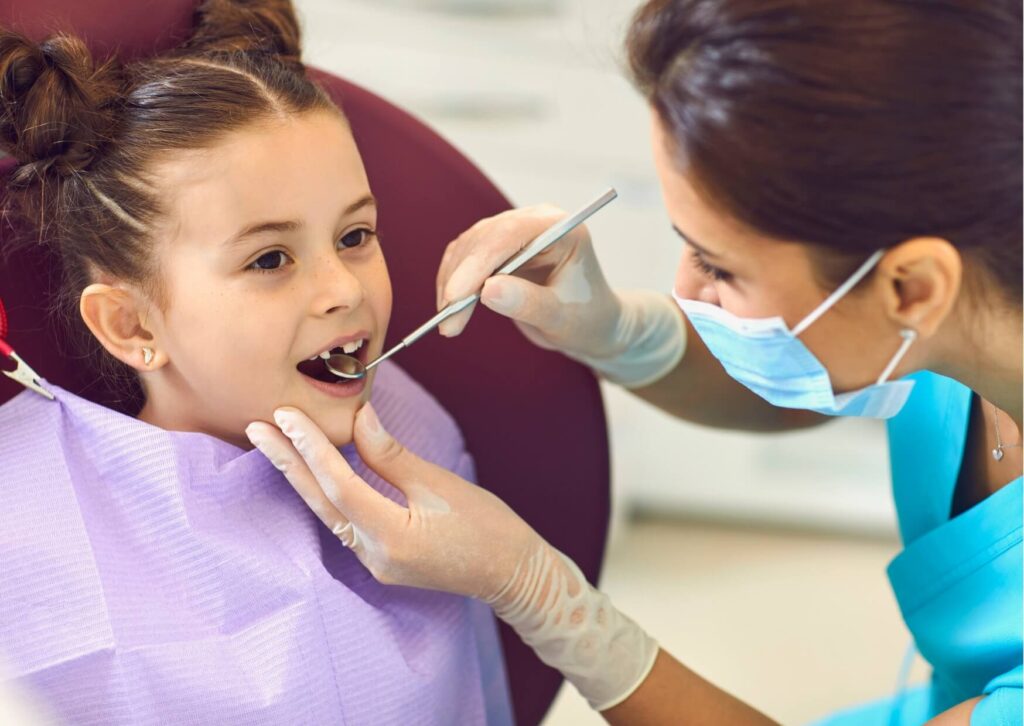
It is reasonable to schedule a dental visit if a child has no loose front teeth by around age 7 or 8, especially if the baby teeth came in on time. A dentist can decide whether the timing still looks normal or whether imaging would be helpful.
An earlier visit is a good idea if a loose tooth is painful, if the gums are swollen, or if the permanent tooth is erupting in an unusual position. The same is true after dental trauma, even if the tooth does not look badly damaged at first.
Downtown Dental Nashville can also help families through managing dental anxiety so visits feel less stressful for children. If your child needs an exam, children’s dentistry can help evaluate unusual timing, loose teeth, or concerns after an injury.
Urgent evaluation is more important if there is facial swelling, fever, uncontrolled bleeding, severe pain, or trouble eating because of the tooth. Those signs are not typical for routine baby tooth loss.
Most children move through this stage without treatment beyond routine checkups and reassurance. If the timing or pattern seems off, a dentist can usually explain what is happening quickly and help you decide whether simple monitoring or a referral is the next step.
Downtown Dental Nashville provides children’s dentistry in Nashville, TN and nearby East Nashville and Germantown; call (615) 254-1393 to schedule an exam.
Most children lose their first baby tooth around age 6. A normal range is often about 5 to 7 years old.
The lower front baby teeth in the center are usually the first to loosen and fall out. The upper front teeth often follow soon after.
It may still be normal, especially if the child’s teeth came in later than average. If no teeth are loose by age 7 or 8, a dental exam is reasonable.
Usually no. If a tooth is extremely loose, it may come out with normal eating or very gentle wiggling, but forcing it can cause pain and bleeding.
This can happen, especially with the lower front teeth. It is often not an emergency, but a dentist should examine the area to see whether the baby tooth is likely to come out on its own.
A loose tooth needs prompt attention if it follows an injury, causes significant pain, comes with swelling or pus, or seems very early for the child’s age.
| Monday | 7:00 AM – 5:00 PM |
| Tuesday | 7:00 AM – 5:00 PM |
| Wednesday | 7:00 AM – 5:00 PM |
| Thursday | 7:00 AM – 5:00 PM |
| Friday | 7:00 AM – 3:00 PM |
| Saturday | Closed |
| Sunday | Closed |