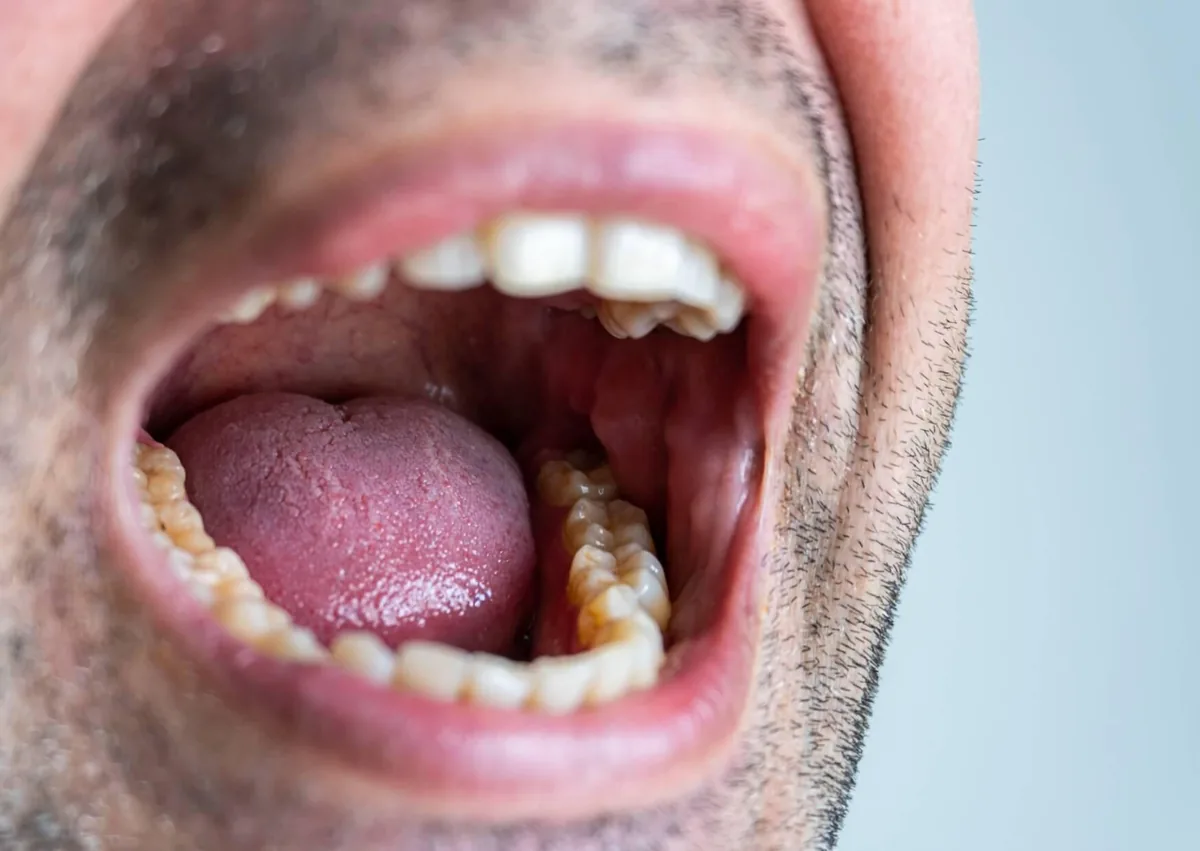
A dry mouth usually means you are making too little saliva, losing moisture through mouth breathing, or both. Temporary dryness can happen with dehydration, stress, or trouble sleeping, but symptoms that keep coming back often relate to medications, nasal or airway problems, health conditions, or reduced salivary gland function and should be evaluated.
If your dry mouth seems tied to mouth breathing, jaw position, or an unbalanced bite, a focused physiologic dentistry evaluation can help identify the functional cause, not just the symptom. Downtown Dental Nashville in Nashville, TN helps patients improve comfort, support healthier breathing patterns, and protect teeth when saliva and airway function are connected.
Dry mouth, also called xerostomia, is the feeling that your mouth does not have enough moisture. Sometimes that happens because saliva production drops, but some people feel dry even when saliva is present because its consistency or distribution has changed.
Saliva does more than keep the mouth comfortable. It helps with speaking, chewing, swallowing, taste, digestion, acid control, and protection against cavities and oral infections.
When saliva stays low, the mouth loses part of its natural defense system. That can raise the risk of rapid tooth decay, gum irritation, bad breath, and oral infections, especially near the gumline and on exposed roots.
Medications are one of the most common causes of dry mouth. Drugs used for allergies, congestion, depression, anxiety, pain, overactive bladder, high blood pressure, and sleep problems can all reduce saliva, and more than 500 medicines have been associated with dry mouth.
Do not stop or change medication on your own. If a medicine seems related, the prescribing clinician should guide any adjustment.
Dehydration can also cause temporary dryness. Common triggers include low fluid intake, fever, vomiting, diarrhea, heavy exercise, alcohol use, and high caffeine intake.
Tobacco, vaping, cannabis, and alcohol-containing mouth rinses can make dryness worse. They may also irritate the tissues, which can make the mouth feel even more uncomfortable.
Some health conditions affect saliva production or fluid balance. Diabetes, Sjögren's disease, thyroid disorders, salivary gland disease, and prior radiation to the head or neck are all possible contributors.
Anxiety can cause a temporary dry-mouth feeling as well. Aging alone does not usually cause severe dry mouth, but older adults are more likely to have medication or health-related causes.
Dry mouth that is worst in the morning often points to mouth breathing during sleep. If you cannot breathe comfortably through your nose, you may sleep with your mouth open and lose moisture for hours at a time.
Nasal congestion, allergies, a deviated septum, enlarged tonsils, tongue posture, jaw position, or a narrowed airway can all make nasal breathing harder. In some people, these factors overlap rather than acting alone.
Snoring, waking with a sore throat, restless sleep, morning headaches, or witnessed pauses in breathing may suggest sleep-disordered breathing. Dry mouth by itself does not diagnose obstructive sleep apnea, but that pattern deserves discussion with a dentist or physician.
For patients whose tongue posture or lip closure contributes to mouth breathing, myofunctional therapy may help improve oral muscle function, tongue rest posture, and nasal breathing habits. Better muscle function can support lip seal and reduce overnight drying.
Jaw position and bite relationships can also affect how the lips rest and how the tongue sits in the mouth. Those factors may influence airway comfort, but dry mouth should not be blamed on the bite without a broader evaluation.
When dry mouth happens mostly at night or on waking, mouth-open sleep, nasal blockage, snoring, or a dry bedroom environment are common possibilities. If symptoms started soon after a medication was added or changed, that timing matters.
Dryness throughout the day may point more toward reduced salivary function. People often notice thick or stringy saliva, frequent thirst, trouble swallowing dry foods, or needing water to speak comfortably.
Other common signs include cracked lips, a burning tongue, altered taste, mouth sores, bad breath, and dentures that rub. These symptoms can develop gradually, so patients sometimes do not realize how much saliva has changed.
New cavities near the gumline, repeated dental problems despite regular brushing, or recurring oral yeast infections are especially important clues. Those findings should be assessed promptly rather than managed with home remedies alone.
A dentist will usually start by asking when the dryness began and whether it changes by time of day. They will also review sleep habits, hydration, medications, and medical history.
Bring a full list of prescription drugs, over-the-counter products, supplements, nicotine products, and recreational substances. That information often helps narrow the cause more quickly.
The exam may include saliva quantity and consistency, salivary gland openings, oral tissues, teeth, gums, tongue, and lips. The dentist may also look for signs of yeast infection, mouth breathing, tooth wear, jaw-muscle tension, tongue position, and airway-related features.
A focused physiologic dentistry evaluation can help determine whether bite or jaw function is contributing to breathing or saliva problems. This is especially useful when dry mouth overlaps with clenching, poor sleep, snoring, or facial muscle strain.
Dental X-rays may be needed to check for decay or other problems that are not visible during a routine exam. In some cases, saliva-flow testing, blood work, salivary imaging, or referral to a physician, ENT, sleep clinician, rheumatologist, or oral medicine specialist is appropriate.
Sip plain water regularly and drink water with meals. That can improve comfort, although constant sipping all night may disrupt sleep.
Sugar-free gum or lozenges with xylitol may help stimulate saliva if the glands can still respond. Xylitol is highly toxic to dogs, so those products must be stored carefully.
Limit tobacco, vaping, cannabis, alcohol, excess caffeine, and sugary or acidic drinks. If symptoms are worse at night, a bedroom humidifier may also help.
If nasal congestion is part of the problem, discuss it with a medical clinician instead of relying on decongestants long term. Ongoing nasal blockage often needs a more specific solution.
Brush twice daily with fluoride toothpaste and use a soft-bristled toothbrush. Choose an alcohol-free rinse, and ask whether prescription fluoride or saliva substitutes would help based on your cavity risk.
Regular professional cleaning and closer preventive monitoring are often important when saliva stays low. Symptom relief matters, but protecting the teeth matters just as much.
Do not tape the mouth closed during sleep without medical guidance, especially if you have nasal obstruction, snoring, or possible sleep apnea. Mouth taping does not fix the underlying airway issue and may be unsafe in some situations.
If medication is the likely cause, the prescribing clinician may consider a different drug, a timing change, or another strategy when appropriate. A dentist should not independently change medication prescribed for another condition.
When mouth breathing is related to nasal or airway restriction, treatment may involve allergy care, an ENT evaluation, or a sleep study. For some patients with diagnosed obstructive sleep apnea, oral appliances used in sleep apnea treatment can be helpful when they are properly selected, fitted, and monitored.
Dental treatment may also include fluoride therapy, shorter cleaning intervals, cavity treatment, management of oral infection, or denture adjustments. Restorative care repairs damage that has already happened, while prevention helps limit future problems.
Some patients may qualify for prescription treatments that stimulate saliva. These are not right for everyone, so they require individualized medical or dental evaluation.
Dry mouth from mild dehydration or a short-term trigger may improve within hours or days once the cause is corrected. Chronic dry mouth from medications, autoimmune disease, radiation, or airway-related issues often needs ongoing management.
Comfort may improve before cavity risk returns to normal. Even if the mouth feels better, follow-up care may still be needed to protect teeth and gums.
The right follow-up schedule depends on saliva function, existing decay, gum health, and the suspected cause. Some patients need only monitoring, while others need coordinated dental and medical care.
Arrange an evaluation if dry mouth lasts more than a couple of weeks, keeps getting worse, wakes you repeatedly, or interferes with eating, speaking, swallowing, or wearing dentures. Earlier assessment is also wise when dry mouth occurs with frequent cavities, swollen salivary glands, dry eyes, joint symptoms, excessive thirst, or unusual fatigue.
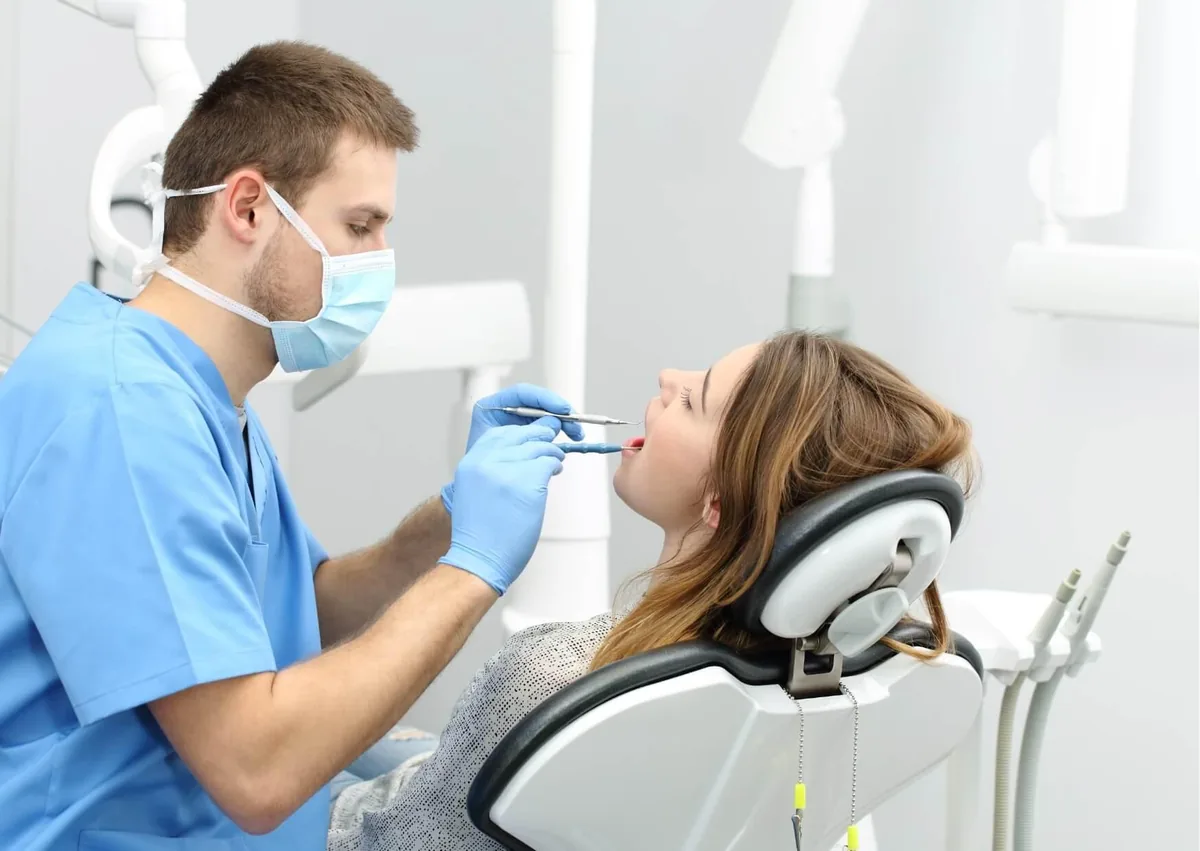
Seek prompt professional care for persistent mouth pain, white or red patches, bleeding, fever, pus, facial swelling, a salivary gland lump, or difficulty opening the mouth. A sore, patch, or lump that does not heal within two weeks also needs examination.
Get urgent medical help for trouble breathing, inability to swallow, rapidly increasing swelling, confusion, fainting, or signs of severe dehydration such as very little urination and marked weakness. Sudden dry mouth with facial drooping, weakness, speech difficulty, or another new neurologic symptom needs emergency evaluation.
Because dry mouth can reflect several interacting dental and medical factors, it helps to track when it happens and what comes with it. That makes the evaluation more useful and can help identify preventable tooth damage, airway concerns, or the need for specialist care.
To confirm whether your dry mouth needs targeted bite, airway, or muscle-focused care, start with a physiologic dentistry assessment that coordinates dental and airway evaluation. Downtown Dental Nashville offers physiologic dentistry in Nashville, TN and nearby East Nashville and Germantown; call (615) 254-1393 to book an appointment.
Yes. Low saliva reduces natural acid buffering and food clearance, so cavities can develop quickly even with regular brushing. Fluoride, diet changes, professional prevention, and closer monitoring may be needed.
Morning-only dryness often happens when the mouth stays open during sleep. Nasal congestion, snoring, dry indoor air, and sleep-disordered breathing are common possibilities.
Water can correct dehydration and temporarily ease symptoms, but it does not restore salivary gland function or fix medication effects, autoimmune disease, or airway obstruction. Persistent thirst and dryness should be evaluated instead of managed only by drinking more water.
No. Contact the prescribing clinician to discuss the symptom, because stopping some medicines suddenly can be harmful and alternatives may not be appropriate.
A dentist is a good starting point when a dry mouth is persistent or comes with mouth discomfort, cavities, bad breath, or swallowing difficulty. A primary care clinician should also be involved when there is excessive thirst, dry eyes, systemic symptoms, a possible medication effect, or an unclear cause.
| Monday | 7:00 AM – 5:00 PM |
| Tuesday | 7:00 AM – 5:00 PM |
| Wednesday | 7:00 AM – 5:00 PM |
| Thursday | 7:00 AM – 5:00 PM |
| Friday | 7:00 AM – 3:00 PM |
| Saturday | Closed |
| Sunday | Closed |