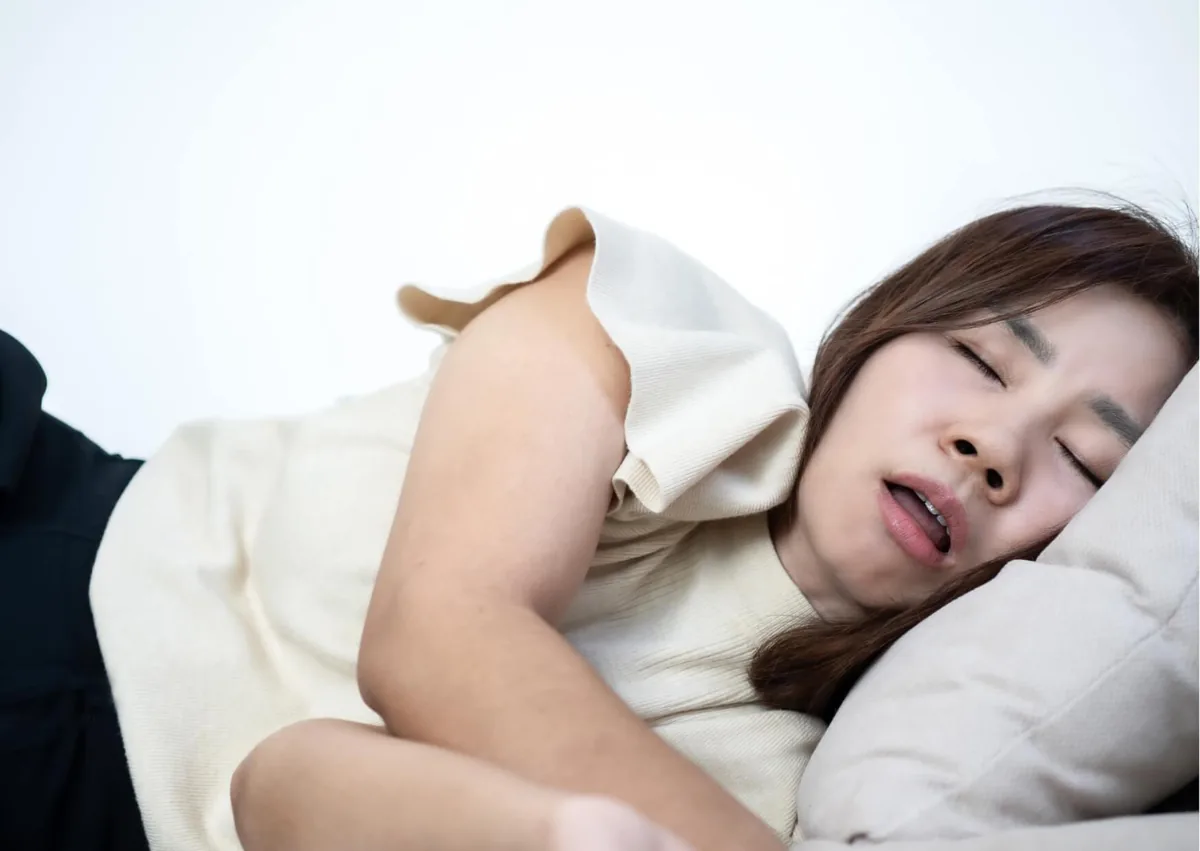
Sleep apnea symptoms in women often include insomnia, repeated awakenings, morning headaches, dry mouth, fatigue, mood changes, and trouble concentrating. Snoring and witnessed breathing pauses can happen too, but they may be less obvious, so ongoing sleep or daytime symptoms still deserve evaluation even without classic snoring.
If you wake with headaches, dry mouth, fatigue, or signs of grinding, airway dentistry can help determine whether oral and airway factors may be affecting your sleep. Downtown Dental Nashville in Nashville, TN helps patients understand airway-related findings and what they may mean for sleep quality and oral health; learn more about dentistry and sleep apnea.
Obstructive sleep apnea happens when tissues around the tongue and throat repeatedly narrow or block the upper airway during sleep. Breathing may become shallow or stop briefly until the brain triggers a short awakening that reopens the airway.
Many of these awakenings are so brief that they are not remembered. Even so, the repeated drops in oxygen and broken sleep can lead to daytime sleepiness, headaches, poor focus, irritability, and higher cardiovascular and metabolic risk over time.
Airway stability can be influenced by anatomy, body weight, nasal congestion, alcohol use, sedating medications, and sleep position. Risk may also rise during and after menopause, although sleep apnea can affect women at any age and at many body sizes.
Women with sleep apnea do not always present with the most widely recognized pattern of loud snoring and obvious breathing pauses. Many instead notice unrefreshing sleep, frequent waking, or daytime exhaustion without realizing breathing disruption may be involved.
Common nighttime patterns include trouble falling asleep, trouble staying asleep, restless sleep, frequent urination, waking with choking, or waking with a racing heart. Some women also report dry mouth, a sore throat, or morning headaches.
Daytime symptoms may include low energy, memory problems, anxiety, depressed mood, reduced work performance, and unintended dozing. Some also notice lower sex drive or high blood pressure that is hard to control.
Other findings patients may notice include:
These symptoms are not specific to sleep apnea alone. Conditions such as anemia, thyroid disease, depression, medication effects, chronic pain, pregnancy-related changes, and other sleep disorders can look similar, which is why formal testing matters.
The teeth, jaw, tongue, soft palate, nasal passages, and throat muscles all affect how easily air moves during sleep. If the lower jaw sits farther back, the tongue is relatively large, the tonsils are enlarged, or the nose is blocked, the airway may have less available space.
Dental findings can sometimes point to airway strain, but they do not diagnose sleep apnea by themselves. A person can have a narrow-looking airway and no apnea, or have significant apnea without dramatic dental changes.
Grinding and clenching may happen around sleep-related arousals, although they do not prove apnea is present. Over time, that muscle activity can leave clues such as flattened teeth, cracked restorations, tongue scalloping, cheek ridges, morning jaw fatigue, or tenderness around the temporomandibular joints.
In some cases, exercises that improve tongue posture, lip seal, and nasal breathing may help as part of a broader plan. When appropriate, a dentist may discuss options such as myofunctional therapy.
Bite relationships also matter when deciding whether an oral appliance can safely move the lower jaw forward. Untreated airway problems can complicate efforts to manage jaw pain or tooth wear, so coordinated care is sometimes needed; for a deeper look at these relationships, see neuromuscular orthodontics.
A dentist can screen for sleep apnea risk and identify oral findings that support referral or treatment planning. An airway dentistry evaluation may include the bite, jaw movement, tooth wear, gum health, tongue size, palate shape, tonsil area, muscle tenderness, nasal breathing, existing restorations, and signs of dry mouth.
The exam may also consider whether clenching, grinding, or jaw discomfort could affect appliance comfort or long-term stability. This helps clarify not just whether oral appliance therapy may be feasible, but also what needs monitoring during care.
Dental X-rays or 3D scans may be useful for specific dental or skeletal questions. When more detail is needed for planning, advanced imaging can help, but imaging still does not replace a sleep study because it cannot show how breathing behaves throughout the night.
A dentist may also use a validated questionnaire and coordinate with a primary care clinician or sleep medicine specialist. In the United States, obstructive sleep apnea is diagnosed through a medically interpreted home sleep apnea test or an overnight lab study, depending on symptoms and health history.
Treatment depends on test results, symptom severity, anatomy, overall health, and patient preference. Behavioral steps may include regular sleep timing, side sleeping when position matters, physical activity, weight management when relevant, limiting alcohol near bedtime, and addressing nasal obstruction with the right clinician.
Positive airway pressure therapy, often called CPAP or PAP, uses gentle air pressure to keep the airway open. It is effective across severity levels and is especially important when apnea is more severe or when other heart, lung, neurologic, or sleep conditions are present.
For some adults with mild to moderate obstructive sleep apnea, or for some who cannot tolerate PAP, a custom mandibular advancement device may be an option. This prescription dental appliance holds the lower jaw forward during sleep and should be fitted and monitored by a qualified dentist working with the diagnosing clinician as part of comprehensive sleep apnea treatment.
Restorative dental treatment can repair damage from wear, fractures, or failed restorations, but it does not treat airway collapse. Orthodontic or surgical treatment may be appropriate in selected cases after specialist evaluation rather than as routine first-line dental care.
Some people notice less snoring, fewer awakenings, or better morning alertness within days to weeks after effective PAP or oral appliance therapy. Full improvement can take longer when insomnia, insufficient sleep, mood symptoms, nasal obstruction, or another medical condition also needs attention.
Oral appliance therapy usually requires gradual adjustment over several visits. Temporary jaw or tooth soreness can occur, and longer-term risks may include bite changes, tooth movement, gum irritation, or temporomandibular joint symptoms, so follow-up is important.
Symptoms alone cannot confirm that treatment is fully controlling apnea. Follow-up sleep testing is often used to check effectiveness, and treatment may need adjustment if symptoms continue, weight changes significantly, or the dental fit changes.
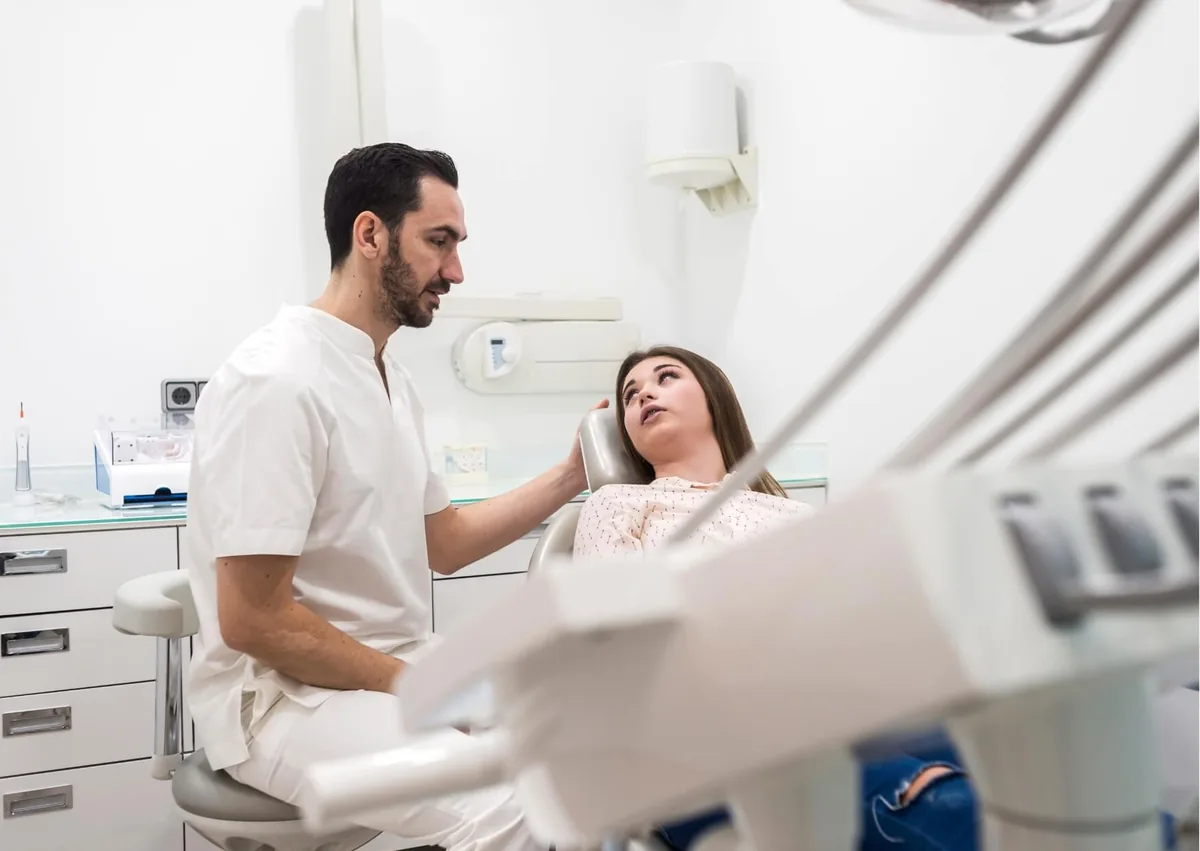
Arrange a medical evaluation for persistent fatigue, insomnia, morning headaches, loud snoring, witnessed breathing pauses, or repeated choking awakenings. Referral is especially important during pregnancy or when symptoms occur with high blood pressure, heart disease, prior stroke, significant lung disease, severe obesity, or safety-sensitive work.
Seek urgent medical care for chest pain, severe shortness of breath while awake, fainting, new confusion, or stroke warning signs such as facial drooping, arm weakness, or trouble speaking. Anyone who is struggling to stay awake while driving should stop driving and get prompt medical advice.
A dental exam can identify oral consequences and help determine whether appliance therapy is appropriate, but it should support coordinated care rather than replace medical diagnosis. Timely evaluation can clarify the cause of disrupted sleep and help protect breathing, oral health, and daytime function.
A targeted airway dentistry assessment can determine whether an oral appliance or other dental measures may improve your sleep and reduce oral damage. Call Downtown Dental Nashville for airway dentistry in Nashville, TN, serving East Nashville and Germantown, at (615) 254-1393 to schedule an appointment.
Yes. Snoring is common, but some women mainly notice insomnia, fatigue, headaches, mood changes, or concentration problems, and snoring may go unreported when no one is observing their sleep.
Yes. Risk often rises during and after menopause, partly because hormonal changes can affect upper-airway muscle tone and fat distribution. Symptoms should still be evaluated rather than assumed to be a normal part of aging.
No. Teeth grinding has several possible causes and cannot diagnose sleep apnea, although it may happen near breathing-related arousals in some people.
A dentist can screen for risk, document oral findings, and provide oral appliance therapy when appropriate. Diagnosis requires a medical evaluation and an interpreted sleep study.
No. A standard nightguard, including some nightguards for teeth grinding, protects teeth but does not reliably open the airway, and an unmonitored device may worsen jaw symptoms or breathing in some cases. Sleep apnea appliances require prescription fitting, adjustment, and follow-up testing.
| Monday | 7:00 AM – 5:00 PM |
| Tuesday | 7:00 AM – 5:00 PM |
| Wednesday | 7:00 AM – 5:00 PM |
| Thursday | 7:00 AM – 5:00 PM |
| Friday | 7:00 AM – 3:00 PM |
| Saturday | Closed |
| Sunday | Closed |