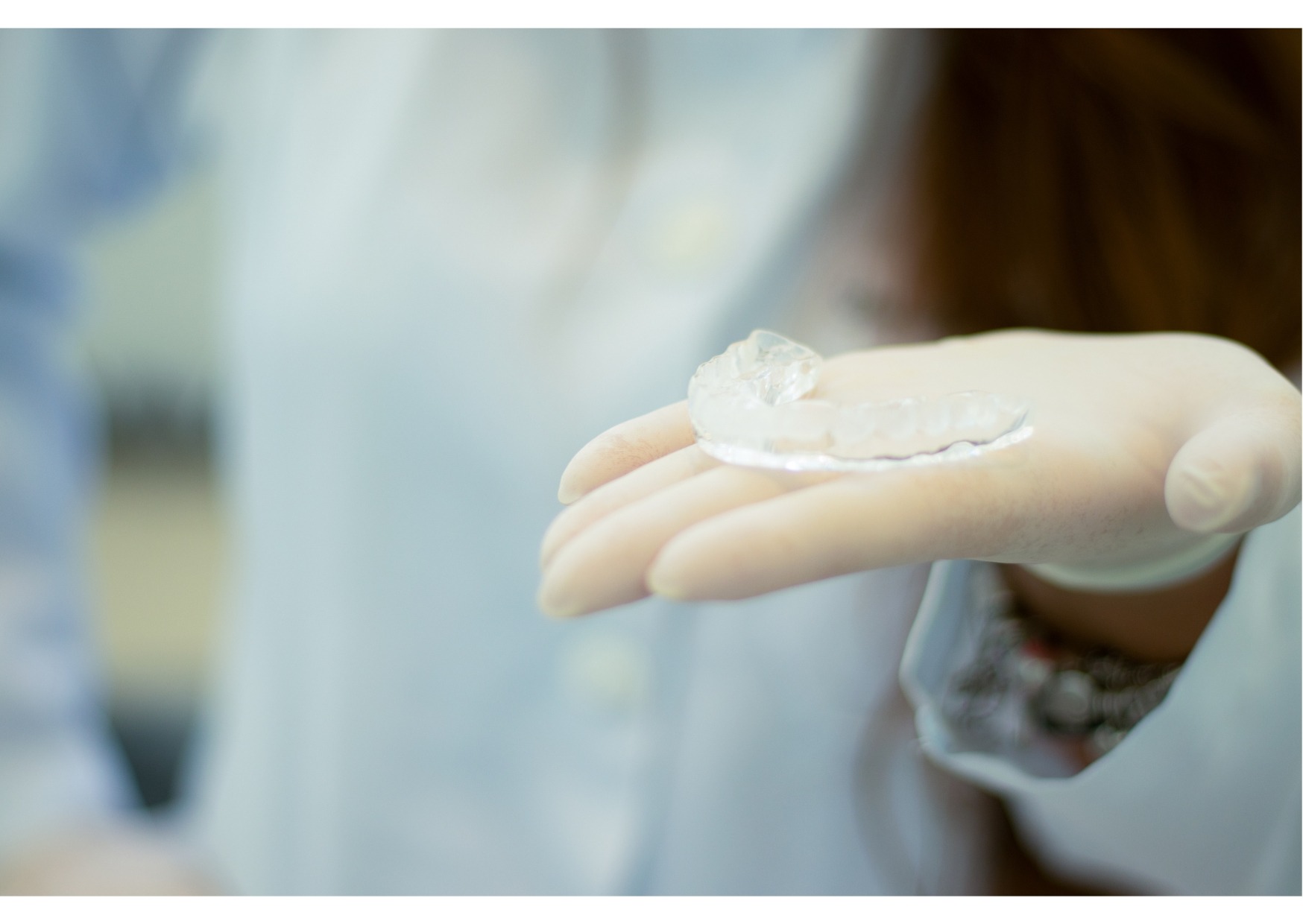
Waking up with jaw tightness, sensitive teeth, or a dull headache can be a sign that your teeth and jaw muscles are working too hard during sleep. In many people, this pattern is related to sleep bruxism, meaning clenching or grinding during sleep. A nightguard can help protect the teeth from wear and reduce stress on dental work, but it is not a cure for every cause of jaw pain or tooth damage.
Nightguards for teeth grinding are often helpful because they create a physical barrier between the upper and lower teeth. Still, the best results usually come when the appliance is matched to your bite, muscle pattern, and any related issues such as airway problems, stress, or temporomandibular joint strain. A careful dental evaluation helps determine whether a guard is the right first step, part of a broader plan, or not the best option at all.
At Downtown Dental Nashville, patients in Nashville, TN receive physiologic dentistry evaluations designed to assess teeth grinding, jaw strain, airway concerns, and bite function together. Our custom nightguards and bite-focused treatment plans are tailored to the individual rather than using a one-size-fits-all approach.
Teeth grinding during sleep is not always caused by one single problem. It may be linked to stress, sleep disruption, certain medications, caffeine or alcohol use, airway resistance, bite instability, or a tendency for the jaw muscles to stay overactive at night. In some people, the pattern is mostly clenching rather than audible grinding, which can still create significant pressure on the teeth and jaw joints.
The force involved can be much greater than what is used for normal chewing. That is why patients may notice cracked fillings, flattened tooth edges, or tenderness near the temples even when they do not remember grinding. The teeth, chewing muscles, jaw joints, and sleep system all interact, so symptoms can look different from one person to another.
When the teeth take the main load, the first signs may be enamel wear, chipping, tooth sensitivity, or fractures in natural teeth and crowns. When the muscles take the main load, the more obvious problem may be facial soreness, tension headaches, or a heavy feeling in the jaw on waking.
If the temporomandibular joints are involved, there may also be clicking, limited opening, or pain near the ears. These symptoms do not always mean the joint is damaged, but they do suggest that a simple store-bought solution may not be enough without an exam. In those cases, a focused TMJ treatment evaluation can help determine whether joint therapy or a different appliance is needed. The TMJ pain cycle can also help explain how joint problems perpetuate discomfort and guide treatment choices.
A nightguard is a dental appliance worn over the teeth during sleep. Its main job is to reduce direct tooth-on-tooth contact and help distribute biting forces more safely. In practical terms, that may lower the risk of further wear, fractures, and damage to fillings, veneers, crowns, or implants.
A well-designed guard may also reduce muscle strain in some patients by improving how the teeth meet during sleep. However, a nightguard protects teeth more reliably than it stops grinding itself. Current research evidence suggests that occlusal splints may help protect teeth, but they do not consistently eliminate sleep bruxism.
That is why expectations should be realistic. If the main concern is preserving enamel or protecting recent dental work, a guard can be very effective. If the main concern is persistent jaw pain, locking, poor sleep, or headaches, the appliance may help, but the underlying cause still needs to be evaluated.
Many patients do not know they grind until a dentist points out the pattern. Others notice symptoms first. Common clues include:
If headaches are part of the pattern, TMJ headaches may help explain when head pain stems from jaw dysfunction and when dental care may help.
These signs do not prove that grinding is the only issue. For example, tooth sensitivity may also come from gum recession, decay, or cracks, and headaches may have non-dental causes. Still, when several of these patterns appear together, a dental evaluation is reasonable.
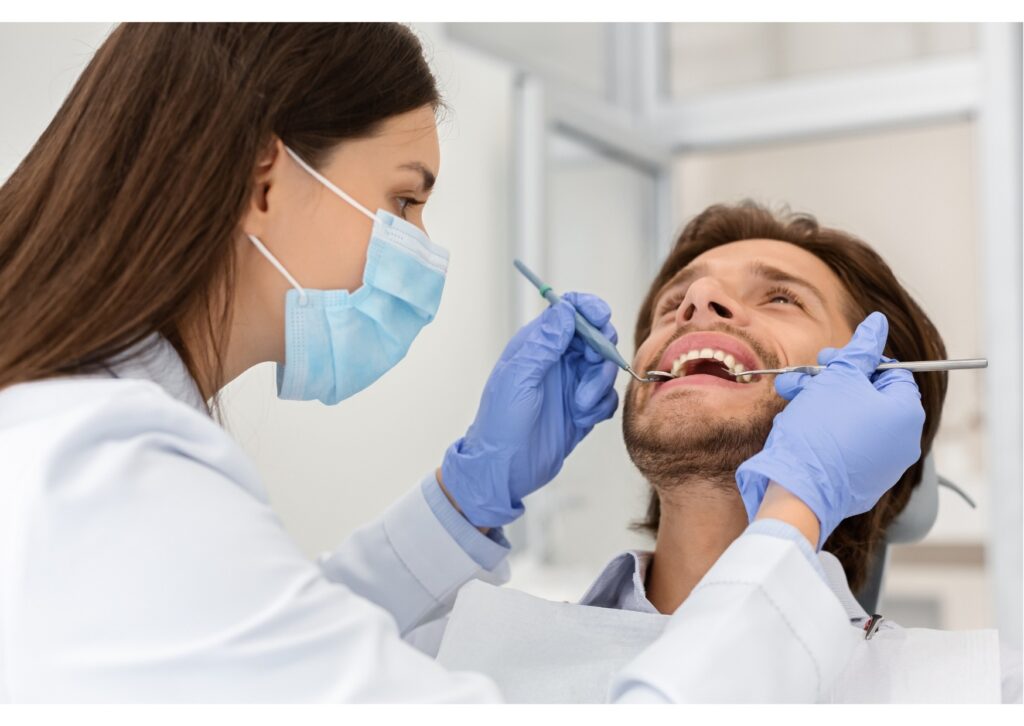
A good assessment goes beyond asking whether grinding happens at night. The dentist will usually look at wear patterns on the teeth, signs of fractures, the condition of fillings and crowns, muscle tenderness, jaw joint function, and how the bite comes together. In many cases, this reveals more than the patient history alone.
The exam may also include questions about sleep quality, snoring, waking with a dry mouth, daytime fatigue, stress, and habits such as chewing gum or clenching during work. Those details matter because airway and sleep issues can overlap with nighttime grinding. If history suggests possible sleep-disordered breathing, a dentist trained in airway dentistry can coordinate care or recommend medical follow-up. There is also a recognized sleep apnea link that helps explain why snoring, poor sleep, and grinding sometimes show up together.
A complete evaluation often benefits from objective tools. Digital bite measurement such as Tekscan analysis can show how force is distributed and help guide whether a custom guard or bite adjustment is indicated.
Not every nightguard is shaped the same way. The thickness, material, and how the opposing teeth contact the appliance can affect comfort and function. A poorly designed appliance may feel bulky, worsen joint symptoms, or fit loosely enough to be ineffective.
This is one reason custom appliances are often preferred when there is significant tooth wear, jaw pain, extensive dental work, or a complicated bite. The goal is not just to cover the teeth, but to do so in a way that is stable and biologically reasonable. The problems of a bad bite can help show how bite issues create overloading and wear.
Store-bought guards are widely available and may seem like a simple first step. For mild, occasional clenching without jaw pain or major dental work, they can sometimes serve as a temporary measure. The main advantages are cost and convenience.
The limitations are important, though. Boil-and-bite materials may fit unevenly, feel bulky, and change how the teeth meet. In some patients, that can increase muscle activity rather than calm it. Soft guards can also encourage more chewing or clenching in certain cases, especially when the jaw muscles are already very active.
A custom nightguard is made from dental impressions or a digital scan and adjusted to the individual bite. This usually provides better retention, more precise force distribution, and better protection for crowns, veneers, implants, and worn teeth. For patients with jaw joint symptoms, a history of cracked teeth, or repeated dental breakage, a professionally designed appliance is usually the safer choice.
A non-custom guard is less appropriate when there is significant jaw pain, limited opening, frequent clicking with pain, recent dental restorations, braces or clear aligners, loose teeth, or suspected sleep apnea. In those situations, using the wrong appliance may delay the right diagnosis.
A nightguard is often one part of treatment, not the whole plan. If daytime clenching is contributing, the dentist may discuss awareness strategies, posture, and reducing triggers such as constant gum chewing or jaw bracing during concentrated work. These are simple changes, but they matter because daytime muscle overuse can keep the system irritated even when a guard is worn at night.
If damaged teeth are already present, treatment may also include repairing fractures, replacing broken fillings, or monitoring cracked teeth over time. In more advanced cases, bite stabilization or restorative treatment may be needed to rebuild worn surfaces and protect the long-term function of the teeth.
When symptoms point toward sleep disruption, referral may be appropriate. Snoring, gasping, unrefreshing sleep, and marked daytime sleepiness deserve attention because grinding can coexist with sleep-related breathing problems. For more on how dentistry can help with sleep apnea, see Dental sleep apnea help. A dental appliance for grinding is not the same as a medically prescribed appliance for obstructive sleep apnea.
The first benefit of a nightguard is usually protection. Once the appliance is fitted and worn consistently, it can begin reducing direct wear on the teeth right away. That does not mean every symptom disappears immediately.
Muscle soreness and morning tension may improve over days to weeks if the appliance is well designed and the grinding pattern responds to it. Headaches may improve too, but only when they are actually related to jaw muscle overload. Tooth sensitivity from active wear may settle gradually, while cracked or structurally damaged teeth may still need separate treatment.
Follow-up matters. Dentists often need to check the fit, wear marks on the appliance, and whether the bite remains balanced over time. If symptoms continue despite regular use, the plan may need adjustment rather than simply wearing the same guard longer.
Some symptoms should not be written off as routine grinding. Seek prompt dental evaluation if there is a broken tooth, sudden pain when biting, swelling, bleeding around a tooth, a crown that has come loose, or a sharp edge that is cutting the tongue or cheek. These problems can worsen quickly if left alone.
More urgent assessment is also appropriate for jaw locking, severe facial swelling, fever, or rapidly worsening pain. Those findings may point to something more serious than uncomplicated bruxism. If there is chest pain, trouble breathing during sleep, or major daytime sleepiness affecting safety, medical evaluation is important as well.
Persistent symptoms deserve attention even when they seem mild. A patient who keeps waking with headaches, notices progressive tooth shortening, or repeatedly breaks dental work should not assume a generic guard will solve the problem without a diagnosis.
Do not ignore the warning signs of nighttime grinding before they lead to cracked teeth, worn enamel, chronic jaw pain, or repeated dental repairs.
Downtown Dental Nashville’s physiologic dentistry team provides custom nightguards for teeth grinding along with comprehensive bite and airway-focused evaluations designed to protect your long-term oral health. Call (615) 254-1393 today to schedule your appointment at our Nashville, TN office and ask about same-day availability.
Not always. They mainly protect the teeth and may reduce strain in some patients, but they do not reliably eliminate the grinding behavior itself.
It depends on the bite pattern, muscle activity, and treatment goal. Soft materials feel more comfortable to some patients, but in others they may encourage more clenching, so the best choice is individualized.
It can, especially when tooth contact and muscle overload are major contributors. Jaw pain can also come from joint inflammation, muscle trigger points, or non-dental causes, so an exam is important.
A custom appliance is usually worth discussing if there is significant tooth wear, cracked dental work, jaw joint symptoms, repeated breakage, or a complicated bite. It is also the better option when comfort and long-term fit matter.
Snoring can be a clue that sleep-disordered breathing is involved. In that situation, it is better to get evaluated rather than assume a standard grinding guard is the right appliance.
| Monday | 7:00 AM – 5:00 PM |
| Tuesday | 7:00 AM – 5:00 PM |
| Wednesday | 7:00 AM – 5:00 PM |
| Thursday | 7:00 AM – 5:00 PM |
| Friday | 7:00 AM – 3:00 PM |
| Saturday | Closed |
| Sunday | Closed |