This is a block of text. Double-click this text to edit it.
101 Union St N, Nashville, Tennessee 37201, US
logo

Should you use activated charcoal toothpaste?

Book a consultation

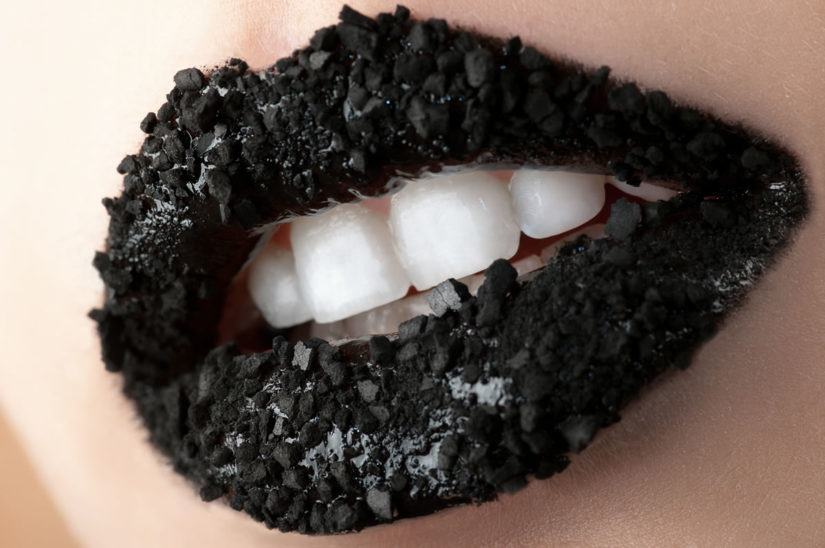
charcoallipstickx 1495524468k4gn8

Our patients are asking us how we feel about the latest craze in the path to whiter teeth, and it's covered in a pitch-black paste. Bloggers and vloggers claim that brushing with activated charcoal is an all-natural way to remove surface stains caused by coffee, tea and wine without bleach or abrasives. To prove it, they’re flaunting soot-covered teeth straight out of a horror movie. The result? Fluorescent white teeth after as few as one use, proponents say.

While you may have used charcoal in your skincare and juice routine (see the pros and cons of ingesting it here), should you replace your toothpaste with the powdery black substance?

Activated Charcoal: The Whitening Promise

There are some things that practically scream, Don't put me in your mouth. Charcoal is one of them. But ever since activated charcoal—coconut shells, wood, or peat processed to become super porous—made its way into beauty products, cleanses, and even ice cream, it seems everything is fair game.

The general thought with activated charcoal is that because it can bind to toxic substances in the body, it is a detoxifier in and of itself. (Spoiler alert: It's not.) With toothpaste, the claim is that activated charcoal binds to roughness on the enamel of the teeth, absorbing any stains or dirt—and whitening teeth as a result.

Activated charcoal has been used for many things. It’s a purifying agent that absorbs impurities. While you’ll find activated charcoal in air filters, traditionally, hospitals and poison control centers use it to treat accidental poisoning or a drug overdose. Unlike the bricks you use for your backyard barbecue, activated charcoal’s enormous surface area is dotted with the numerous nooks and crannies that draw in and trap toxic substances in your gut like a sponge. The bad stuff is then carried out with your next bowel movement.

However, there's no evidence at all that charcoal does any good for your teeth. There could even be potential damage to your teeth and gums: like any abrasive, we’re worried about the effects on the gums and enamel on the teeth. We just don’t yet know about the safety and effectiveness of charcoal toothpaste in order to endorse it.

Better Ways to Whiten

There are other (safer, more effective, and less messy) DIY ways to whiten: try brushing with a baking soda and hydrogen peroxide mixture once or twice a week. Combine about 2 tablespoons of hydrogen peroxide with 1 tablespoon of baking soda. The mildly abrasive nature of baking soda (emphasis on mild) can remove stains, naturally whitening the teeth, she notes. Just remember: this isn't a replacement for your go-to paste—just an add-on to your routine if you're looking for a natural whitener. The main thing to avoid in a regular whitening toothpaste is anything that's highly abrasive, particularly if you have thin enamel or receding gums, as a rough paste could cause more damage than good.

If it sounds too good to be true, it probably is. If you want a gleaming white smile, let's discuss traditional whitening toothpaste for surface stains or over the counter treatments (like white strips) for deeper stains. If that doesn't work, we can help you evaluate your options for whitening treatments in our office.  If you do go the DIY charcoal-route, we suggest using it sparingly and discontinuing if your teeth become sensitive.

Services

Prevention, Gum Health & Comfort

  • Cleanings & Gum Health: Gentle hygiene with laser therapy options to limit antibiotics.
  • Cavity Care: Conservative fillings/onlays that save healthy tooth.
  • Sensitivity & Emergency Relief: Same-day when possible.
  • Cold Sore & Ulcer Laser Treatment: Laser care for herpetic lesions/aphthous ulcers to reduce pain and speed healing.
  • Risk & Habits Review: Diet, saliva, myofunction, and mouth-breathing that elevate cavity/gum risk.
  • Homecare Plan: Simple, sustainable changes with measurable impact.

Restorative & Missing Teeth Replacement 

  • Conservative Cavity Care: Small, tooth-colored fillings that remove as little enamel as possible so your teeth last longer.
  • Inlays & Onlays First: Bonded inlays/onlays as our go-to over crowns, preserving far more natural tooth structure.
  • Enamel-Sparing Crowns: When crowns are truly needed, we design them to leave up to 50% more natural enamel than typical approaches.
  • Save-Your-Teeth Reconstruction: In severe wear or erosion, we rebuild and stabilize teeth that many offices would extract for full-arch implants, often avoiding full-mouth removal.
  • Full-Arch Implants When Needed: All-on-X-style implant solutions for cases that genuinely require extractions-never a one-size-fits-all default.
  • Bite-Tuned, Long-Lasting Results: Every restoration is calibrated to your bite to reduce fractures and the cycle of redoing dentistry every few years.

Bite, TMJ & Myofunction

  • Digital Bite Mapping & Calibration: Measure contacts and timing to stop chips, cracks, and “high” crowns.
  • Custom Day/Night Appliances: Designed to your ideal joint/muscle balance (beyond generic guards).
  • Myofunctional Therapy: Retrain tongue, lips, and breathing to reduce clenching, improve stability, and lower cavity/gum risk.
  • TMJ Care (Non-Surgical): Joint, muscles, teeth, airway/sleep, and posture considered together.

Airway, Sleep & Myofunction

  • Screening for Mouth-Breathing/Apnea: Identify sleep contributors to inflammation, decay, and grinding.
  • Oral Appliances and Myofunctional Therapy for Sleep Apnea: Plus collaboration with sleep/ENT partners.
  • Tongue-Tie Release (Frenectomy): When indicated, to support nasal breathing, speech, and oral function.

Orthodontics & Alignment (Adults & Teens)

  • Clear Aligners/Orthodontics: Improve alignment and function, timed to health and airway needs.
  • Relapse & Retention Planning: Stabilize muscles and bite so results last.

Kids & Growing Smiles

  • Early Growth & Airway Evaluation — Age-appropriate screening for nasal breathing, tongue posture, crowding, and sleep-related issues.
  • Myofunctional Support (Early Intervention) — Train healthy habits (nasal breathing, tongue posture, lip seal, chewing/swallow) to guide growth and reduce future problems.
  • Guided Orthodontics — When needed, we time orthodontic treatment to growth to expand space, correct crowding, and help them catch up if development is behind.
  • One Team, Clear Roadmap — We coordinate with parents on what to do now, what to watch, and when to act next.

Cosmetic & Facial Aesthetics

  • Prepless, conservative veneers: Transform your smile while preserving your natural enamel whenever possible.
  • Facially driven smile design & previews: Plan your smile around your face, lips, and profile-and use digital mockups/temporaries to try out your new look before anything is permanent.
  • Non-surgical "dental facelift": Improve facial support, fullness, and symmetry through thoughtful changes in bite and tooth position.
  • Additive cosmetic bonding: Repair chips and reshape worn edges without aggressive drilling.
  • Whitening & color harmony: Professional whitening and shade-matching that works with your natural teeth and restorations.
See all services

Our Reviews

What Our Patients Are Saying

Working Hours

Ready to stop by? View Downtown Dental’s office hours below.
Monday7:00 AM – 5:00 PM
Tuesday7:00 AM – 5:00 PM
Wednesday7:00 AM – 5:00 PM
Thursday7:00 AM – 5:00 PM
Friday7:00 AM – 3:00 PM
SaturdayClosed
SundayClosed
Schedule Your Visit
SEND US AN EMAIL

This field is for validation purposes and should be left unchanged.
Name(Required)
logo
Modern Care. Timeless Smiles.
